




Wheat Trading Defined and Explained
Wheat is grass that is cultivated worldwide. The global grain trade has always been of interest to investors because wheat represents one of the single most important components of world food consumption. Wheat is one of the world’s key staple products, with about 10 percent of production traded on world markets each year.
Wheat Market Investing
Investing in wheat futures allows traders to participate in the agricultural markets without holding a physical market position. Investing in wheat futures also provides growers with a risk management tool to protect the price of their expected purchase or sale of physical grain. The United States is one of the world’s largest wheat producing countries. Japan is one of the largest importers of wheat in the world, with imports originating from Australia, Canada, and the United States. Exportable wheat supplies are also available from Argentina, Europe, Ukraine and other areas of the world, depending on crop situations. This makes wheat a truly global market and allows traders to enter into a global environment to create a broad trading strategy using wheat alone or in combination with other grains.
Wheat Futures Classes and Trading
comes in several classes, which are used for special purposes. Hard red winter wheat is by far the largest class. Kansas is the largest producing state so whether there is a key factor that wheat traders need to monitor, but hard red winter wheat is grown in the Plains from Texas to South Dakota. This type of wheat is milled into flour used for bread. Hard red winter wheat futures are traded at the Kansas City Board of Trade. Soft red winter wheat is grown primarily in the eastern Corn Belt from Missouri to Michigan and is milled mainly for flour used in crackers, biscuits and cookies. Soft red winter wheat futures and options are traded at the Chicago Board of Trade. Hard red spring wheat is grown primarily in the Dakotas and Minnesota, with North Dakota the largest producing state. This type of wheat is milled into flour used in bread, bagels and hard-baked goods. Hard red spring wheat futures are traded at the Minneapolis Grain Exchange. All three of these classes of wheat futures are now traded electronically on the CME Groups Globex trading platform. Several other classes of wheat are not traded as futures white wheat is grown mainly in the Pacific Northwest and durum wheat used in pasta in the same areas as spring wheat.
See how VantagePoint Software can predict the Wheat Trading market with up to 87.4% accuracy* – Get your Free Wheat Forecasts now.
Wheat Prices / Rates
The main wheat futures contract at all three exchanges where wheat is traded is for 5,000 bushels of the specified wheat although CME Groups Chicago Board of Trade also trades a mini wheat futures contract of 1,000 bushels. The minimum price fluctuation is 1/4 cent per bushel, indicating a change in the value of $12.50 for the 5,000-bushel contract. Wheat contracts are traded on July, September, December, March, and May calendar months.
Wheat Production
Spring wheat is planted just prior to or in April in the United States and Canada and generally follows the pattern of spring planted crops. These wheat crops do not go through a dormant stage but mature until harvested in late summer… Sowing of winter wheat begins in September in the northern United States and continues through October in the southern regions. These “winter” wheat crops will sprout and grow in the fall until a winter freeze occurs, and the will then become dormant until spring when it breaks out of dormancy and matures until harvest in June-July. Alternating freezing and warming periods can damage the winter wheat crop and reduce yields, especially if there is no snow cover protection.
Wheat Usage
Wheat usage for food and seed is relatively inelastic that is, there isn’t a huge change in U.S. consumption patterns from year to year. Until recently, U.S. wheat producers could count on rising per capita food use of wheat flour to expand domestic demand for their crop. The strength of this domestic market developed out of the historic turnaround in U.S. per capita wheat consumption in the 1970s. With pasta and pizza now established in U.S. diets, consumer requirements for wheat for bread, pasta, cereal, and other food uses have tended to level off and not deviated as much in recent years. Wheat can also be used as animal feed when competitive crops like corn and milo/sorghum become too expensive. Because which grain to use is an economic decision based on pricing, the quantity of wheat used in feed rations can vary from minimal amounts to several hundred million bushels a year.
Wheat Trading Strategy
Like most crops, tends to follow a seasonal price pattern based on the weather. If the winter wheat crop has broken dormancy in good shape and spring rains are sufficient, wheat prices may decline seasonally going into the harvest period as the market assumes an injection of new, larger wheat supplies. After harvesting reveals the size of the crop, wheat prices tend to move up seasonally from June/July through the end of the year. This seasonal price pattern is also the basis for a typical wheat/corn spread that is, buy wheat in June/July when prices presumably are at their lowest level of the season and sell corn, which often rallies to a seasonal high in mid-summer based on weather fears.
Wheat Trading News
The U.S. Department of Agriculture conducts a variety of market outlook activities on the wheat industry. The major market news often comes from the monthly crop reports and updated Supply/Demand estimates released around the 10th of the month. Details on major changes and events in domestic and world wheat markets are published 11 months of the year in the USDA Wheat Outlook publication. The USDA Wheat Yearbook provides a recap of the previous market year and outlook for the current market year. Long-term supply utilization projections for wheat are published in USDA’s Agricultural Baseline Projections. The Australian Wheat Board, the Canadian Wheat Board, and the Japanese Food Agency are all major sources of wheat export/import information. Australia, Canada and Japan all use a government single-desk agency to control wheat trade in their countries. Like many industries around the world, Australia’s grain industry promotes continued export growth and usage. The Grains Council of Australia and the Grains Research and Development Corporation provide information and news for the wheat trade in Australia.
Wheat Trading Tips
As a crop grown in many areas of the world has a fairly stable price history and more trend-based moves compared to other commodity sectors. However, traders and investors in the wheat market must understand how Intermarket influences affect the market on a continuous basis. The U.S. has to compete with crops such as corn, milo/sorghum, oats, soybeans and sunflowers, depending on the area of the country, so production incentives in the U.S. can influence wheat production. As a result, wheat prices tend to trade in concert with prices for other crops, sometimes as a leader but more often as a follower. So traders need to be aware of Intermarket pricing of several different commodities. One other tip for winter wheat traders: Traders tend to kill the crop several times in the spring when it may be too cold, too hot, too dry, too wet, or feature some other weather extreme. But winter wheat can be a pretty hardy crop. Be wary of rumors and market chatter and keep crop prospects in perspective.
Wheat Trading History
originated in southwest Asia and was domesticated about 10,000 years ago. Cultivation and repeated harvesting and sowing of the grains of wild grasses led to the selection of more resilient heads of wheat and larger grains. Although today’s wheat is resilient and resistant to disease, because of the loss of seed dispersal mechanisms, domesticated wheat cannot survive in the wild.
Trading Wheat with VantagePoint Software
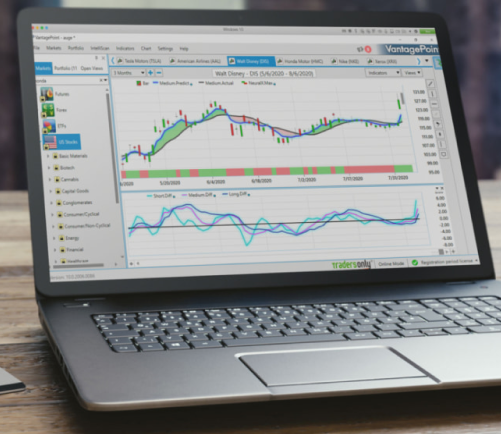
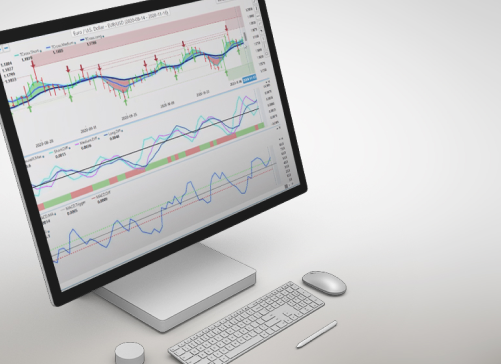
Since 1991 VantagePoint Software has been applying Artificial Intelligence to forecast market trends with up to 87.4% accuracy. With more than 25,000 customers in 114 different countries, VantagePoint is the leading AI trading software for Futures.