




BACKFREE CHARTSGET YOUR FREE RECENT FORECASTSMORE INFOCONTACT US

See how VantagePoint Software can predict the Sugar Trading market with nearly 80% accuracy - Get Free Trading Predictions now.

First Name 
Last Name 
Home Phone 
Work Phone 
Fax 
Email 
State/Prov. 
Country 


The information you submit is confidential and will never be shared with any outside parties.


You Can Also Call Us At
1-800-732-5407

Mention priority code leaninfo to speak with a representative who will provide you with FREE recent VantagePoint predictions.

VantagePoint Intermarket Analysis Software Predicts Sugar Markets with up to to 80% Accuracy.

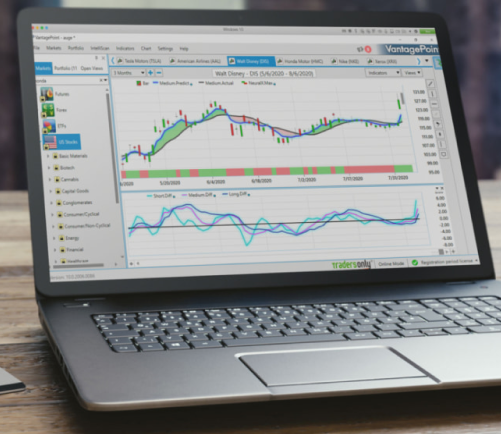
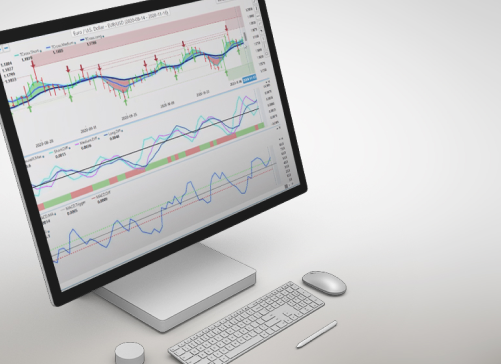
VantagePoint combines intermarket analysis and predicted technical indicators such as predicted moving averages, predicted RSI, predicted Stochastics, and many other predicted indicators that help you forecast where the markets are headed.

We're so confident in our program's accuracy, we want you to see free actual forecasts for the markets of your choice so you can see for yourself.


Sugar Trading

sugar trading secrets

Sugar Market Trading Defined and Explained

Sugar is widely produced, traded and consumed around the world. Sugar is produced from either sugar cane or sugar beets in more than 120 countries and consumed in every country. Sugar is used in everything from food to industrial applications. Because sugar is grown in so many countries, one of the themes that is more prominent in this marketplace than in most others is government involvement in protecting domestic producers by instigating tariffs and other trade restrictions that sugar futures traders must understand and take into account.

World Sugar Prices & Rates

The contract size for #11 world raw sugar futures traded at IntercontinentalExchange (ICE, formerly the New York Board of Trade) is 112,000 pounds (50 long tons).

  • Raw sugar is any crystallized sugar product from a cane sugar production facility delivered in bulk.

  • The minimum price movement for these sugar futures is 1/100 cent per pound or the equivalent to $11.20 per contract.

  • Sugar futures contract months are March, May, July, and October.

Refined white sugar futures are traded in London at Euronext.liffe and call for delivery of white beet or cane crystal sugar or refined sugar of any origin that meets specific requirements.

  • The size of the white sugar futures contract is 50 metric tons.

  • Pricing is in U.S. dollars per metric ton with a minimum price fluctuation of 10 cents per metric ton or $5.

  • Contract delivery months are March, May, August, October and December with eight months available for trading.

Sugar Futures Trading Fundamentals

The value of physical sugar is influenced by its location. If a large buyer enters the market, potential sellers to that buyer would look for sugar located as close as possible to the destination to save on shipping costs. For example, in the case of raw sugar, normally the Far East region is well-supplied with raw sugar from Thailand, Australia and South Africa. But sometimes, with unexpectedly large crop failures, there could suddenly be a shortage of sugar from one of these origins, making shipping from another region economically feasible. So successful sugar trading may depend on knowledge of the shipping industry as much as normal supply-demand factors.

See how VantagePoint Software can predict the Sugar Trading market with nearly 80% accuracy - Get Free Sugar Trading Predictions now.

Sugar Trading Fundamentals

The value of physical sugar is influenced by its location. If a large buyer enters the market, potential sellers to that buyer would look for sugar located as close as possible to the destination to save on shipping costs. For example, in the case of raw sugar, normally the Far East region is well-supplied with raw sugar from Thailand, Australia and South Africa. But sometimes, with unexpectedly large crop failures, there could suddenly be a shortage of sugar from one of these origins, making shipping from another region economically feasible. So successful sugar trading may depend on knowledge of the shipping industry as much as normal supply-demand factors.

Sugar Trading Tips

As is the case with many tropical commodities, the key country that sugar futures traders need to monitor is Brazil, the largest producer and exporter of sugar. Weather, political issues, the value of Brazil’s currency, the real, ethanol production and other factors all need to be monitored for their impact on world sugar prices and trade. Hurricanes in the Caribbean, which can devastate sugarcane crops in the United States, Cuba and elsewhere around the rim of the Gulf of Mexico if they strike at harvest time, can also send sugar futures prices higher.

Sugar traders must also continually assess whether raw sugar of a particular origin is in short or plentiful supply. The problem for buyers and sellers of physical sugar is that although they can “hedge” their cargoes of sugar on the futures market, they cannot hedge the premium or discount element in the price, such as tariffs or changes in shipping rates. Other factors apart from supply also have a bearing on the level of the premium or discount for trading sugar. The quality of the sugar may also be reflected in its value although there have been some occasions when strong demand for a lower quality has distorted this requirement.

Sugar Trading Information

With the widespread interest in sugar production and consumption, there are many sources of information about sugar supply-demand and trade on a local basis and internationally. As an active global market, many rules and standards for quality and pricing in the sugar processing industry are well-established and understood.

Among the sources of information for sugar futures traders are the following:
Sugar Traders Association of the United Kingdom (STAUK), founded in 1952 by sugar trading companies based in London, provides information, sugar news and analysis of trends for the sugar market.
The Sugar Information Service produces the website OnlineSugars.com, providing history and analysis of the international sugar trade.
• The Sugar Research Institute is Australia’s premier sugar processing research and development organization for client research and produces many Australian sugar industry reports.
• The Foreign Agricultural Service of the U.S. Department of Agriculture provides a large amount of domestic and world production and price information for the sugar trading market as well as for all tropical markets.

Sugar Trading Supply

Sugar is produced from two different crops in two kinds of growing conditions, sugarcane in tropical areas and sugar beets in more temperate zones. The refined sugar product of each is identical. Sugarcane accounts for about 70% of world sugar production with the largest producing countries being Brazil, India, China, and Thailand. The leading sugarcane producing states in the United States are Florida, Louisiana, Texas and Hawaii. The leading countries for sugar beet production are Europe, United States, China and Japan. The main sugar beet states in the United States are Minnesota, Idaho, North Dakota and Michigan.

Sugar Trading Demand

Sugar is consumed in every country, with an estimated 70 percent of sugar production worldwide consumed in the country that produces it, making sugar an important domestic crop economically as well as a major revenue source for sugar exporting countries. About 80 percent of world sugar import demand comes from developing countries. Sugar futures prices have ranged from 64 cents per pound in October of 1974 to less than 2 cents a pound in the late 1960s.

Sugar has been subject to increasing competition from alternative sweeteners such as high-fructose corn syrup used in soft drinks and elsewhere. On the other hand, sugar has been the major source for ethanol in Brazil since 2006, which has increased sugar demand and prices, a trend that is likely to continue as long as high crude oil prices continue to make ethanol produced from sugar economical. Brazil is both the largest exporter of sugar and the largest producer and user of ethanol.

Sugar Trading History

Sugar cane made its entry into the New World early. Columbus himself introduced the crop to Hispaniola on his second voyage in 1493. The first record of a substantial quantity of sugar was of three ships arriving in Spain loaded with sugar in 1525. By 1530, 12 ships arrived carrying 1,500 tons of sugar. The sugar trade exploded and by 1546, there were a total of 24 sugar mills on the island.

The #11 world raw sugar futures market has been in existence since 1914 and is the most actively traded softs commodity market.

Breaking News

Softs

Jim Wyckoff, Senior Analyst, TraderPlanet.com

July sugar closed down 41 points at 15.44 cents yesterday. Prices closed near the session low on profit-taking pressure. The key "outside markets" were mixed for the sugar futures market yesterday, as the U.S. stock indexes were steady-higher, crude oil prices were steady-lower and the U.S. dollar was lower. Sugar has been trading in a sideways range at higher levels for three weeks. Bulls need to push prices above this trading range to gain fresh power. That means pushing and closing prices above the May high of 16.03 cents. Sugar bulls do still have the near-term technical advantage. Prices are still in a seven-week-old uptrend on the daily bar chart. Bulls' next upside price objective is to push and close prices above technical resistance at 16.03 cents. Bears' next downside price objective is to push and close prices below solid technical support at 14.90 cents. First resistance is seen at 15.75 cents and then at yesterday's high of 15.88 cents. First support is seen at yesterday's low of 15.40 cents and then at last week's low of 15.26 cents.

Wyckoff's Market Rating: 7.0

Read More at TraderPlanet.com »


Livestock

Jim Wyckoff, Senior Analyst, TraderPlanet.com

August live cattle closed down $0.20 at $81.62 yesterday. Prices closed nearer the session low yesterday and closed at a fresh two-month low close. The key "outside markets" were bullish for the cattle futures market yesterday, as the U.S. stock indexes were higher, crude oil prices were higher and the U.S. dollar was lower. Yet the cattle futures sold off anyway, which is a bearish clue. Cattle futures bears have the overall near-term technical advantage. Prices are in a six-week-old downtrend on the daily bar chart. Bulls' next upside price objective is to push prices above solid technical resistance at $83.90. The next downside technical objective for the bears is pushing and closing prices below solid technical support at the February low of $80.70. First resistance is seen at $82.00 and then at yesterday's high of $82.20. First support is seen at yesterday's low of $81.42 and then at last week's low of $81.22.

Wyckoff's Market Rating: 2.0

Read More at TraderPlanet.com »


Soy Complex, Grain Futures

Jim Wyckoff, Senior Analyst, TraderPlanet.com

July soybeans on Friday closed firmer and near mid-range. The key "outside markets" were bullish for soybeans Friday, as the U.S. stock indexes were firmer, crude oil prices were higher and the U.S. dollar was sharply lower. Bulls do still have the near-term technical advantage. Prices are in a three-month-old uptrend on the daily bar chart. The next upside price objective for the bean bulls is to push and close prices above solid technical resistance at $12.50 a bushel. The next downside price objective for the bears is pushing and closing prices below solid support at $11.00 a bushel. First resistance for July soybeans is seen at Friday's high of $11.93 and then at last week's high of $12.00 3/4. First support is seen at Friday's low of $11.75 1/4 and then at $11.64.

[...]

Read More at TraderPlanet.com »


Metals

Jim Wyckoff, Senior Analyst, TraderPlanet.com

August gold futures closed up $7.60 at $962.80 yesterday. Prices closed nearer the session high yesterday, hit a fresh nine-week high and scored a bullish "outside day" up on the daily bar chart yesterday. Gold bulls have the near-term technical advantage and gained fresh upside momentum yesterday. Prices are in a six-week-old uptrend on the daily bar chart. Bears' next downside price objective is closing prices below solid technical support at $920.00. Gold bulls' next upside price objective is to push and close prices above solid technical resistance at the March high of $970.00. First resistance is seen at yesterday's high of $966.70 and then at $970.00. Support is seen at $955.00 and then at $950.00.

Wyckoff's Market Rating: 7.5.

[...]

Read More at TraderPlanet.com »


Softs

Jim Wyckoff, Senior Analyst, TraderPlanet.com

July sugar closed down 20 points at 15.74 cents yesterday. Prices closed near mid-range and were pressured by profit taking. Also, the key "outside markets" were mostly bearish for the sugar market yesterday, as the U.S. stock indexes were weaker and the U.S. dollar was stronger. Sugar bulls still have the near-term technical advantage. There are still no early technical clues that a market top is close at hand. Prices are still in a seven-week-old uptrend on the daily bar chart. Bulls' next upside price objective is to push and close prices above technical resistance at 17.00 cents. Bears' next downside price objective is to push and close prices below solid technical support at 14.90 cents. First resistance is seen at yesterday's high of 15.93 cents and then at the contract high of 16.05 cents. First support is seen at yesterday's low of 15.51 cents and then at 15.25 cents.

Wyckoff's Market Rating: 7.5

[...]

Read More at TraderPlanet.com »


Livestock

Jim Wyckoff, Senior Analyst, TraderPlanet.com

August live cattle closed up $0.05 at $83.82 yesterday. Prices closed near the session high again yesterday on more tepid short covering in a bear market. Prices last Friday did produce a bullish weekly high close. The key "outside markets" were mostly bullish for the cattle market yesterday, as the U.S. stock indexes were sharply higher and crude oil prices turned higher as the session wore on.  Cattle bears still have the overall near-term technical advantage. Bulls' next upside price objective is to push prices above solid technical resistance at the May high of $84.40. The next downside technical objective for the bears is pushing and closing prices below solid technical support at the May low of $81.60. First resistance is seen at last week's high of $83.90 and then at $84.00. First support is seen at yesterday's low of $83.25 and then at $83.00.

Wyckoff's Market Rating: 3.5

July Soybeans

Jim Wyckoff, Senior Analyst, TraderPlanet.com

July soybeans on Friday closed weaker and near the session low on profit-taking pressure. Bulls still have the solid near-term technical advantage. Prices are still in an 11-week-old uptrend on the daily bar chart. The next upside price objective for the bean bulls is to push and close prices above psychological resistance at $12.00 a bushel. The next downside price objective for the bears is pushing and closing prices below solid support at the April high of $10.64 1/2 a bushel. First resistance for July soybeans is seen at $11.77 1/2 and then at last week's high of $11.89 1/2. First support is seen at Friday's low of $11.64 and then at $11.50.

$16.50 -------- the contract high
$11.45 3/4 --- 10-day moving average
$11.07 1/4 --- 20-day moving average
$10.53 1/2 --- 40-day moving average
$6.85 -------- the contract low

JULY SOYBEAN MEAL

July soybean meal on Friday closed weaker and near the session low on profit taking after hitting a fresh 8.5-month high early on. Bulls still have the solid near-term technical advantage. The next upside price objective for the bulls is to produce a close above solid technical resistance at $390.00. The next downside price objective for the bears is pushing and closing prices below solid technical support at $350.00. First resistance comes in at $380.00 and then at [...]

Read More at TraderPlanet.com »


Energies

Jim Wyckoff, Senior Analyst, TraderPlanet.com

July crude oil closed down $1.03 at $61.00 a barrel yesterday. Prices closed near mid-range yesterday and were pressured on profit taking and a lower U.S. stock market.  Bulls still have the near-term technical advantage. A four- week-old uptrend is in place on the daily bar chart. The next downside price objective for the crude oil bears is to produce a close below solid technical support at this week's low of $56.76. The next upside price objective for the bulls is producing a close above solid technical resistance at $65.00 a barrel. First resistance is seen at yesterday's high of $61.87 and then at this week's high of $62.26. First support is seen at $60.00 and then at $59.00.

Wyckoff's Market Rating: 6.5

[...]

Read More at TraderPlanet.com »


Metals

Jim Wyckoff, Senior Analyst, TraderPlanet.com

June gold futures closed up $12.80 at $939.50 yesterday. Prices closed near the session high and hit a fresh two-month high yesterday. Prices were again supported by a weaker U.S. dollar yesterday. Gold bulls have the near-term technical advantage and gained fresh upside momentum yesterday. Prices are in a four-week-old uptrend on the daily bar chart. Bears' next downside price objective is closing prices below solid technical support at this week's low of $915.20. Gold bulls' next upside price objective is to push and close prices above solid technical resistance at the March high of $970.00. First resistance is seen at yesterday's high of $941.00 and then at $945.00. Support is seen at $935.00 and then at $930.00.

Wyckoff's Market Rating: 7.0

[...]

Read More at TraderPlanet.com »


Softs

Jim Wyckoff, Senior Analyst, TraderPlanet.com

July sugar closed up 2 points at 15.63 cents yesterday. Prices closed near mid-range yesterday. Sugar bulls have the near-term technical advantage. There are still no early technical clues that a market top is close at hand. Prices are still in a five-week-old uptrend on the daily bar chart. Bulls' next upside price objective is to push and close prices above technical resistance at 17.00 cents.  Bears' next downside price objective is to push and close prices below solid technical support at last week's low of 14.90 cents. First resistance is seen at yesterday's high of 15.91 cents and then at the May high of 16.03 cents. First support is seen at 15.50 cents and then at yesterday's low of 15.37 cents.

Wyckoff's Market Rating: 7.0

[...]

Read More at TraderPlanet.com »


* VantagePoint's accuracy statistics were computed on out-of-sample price data utilizing neural networks trained on both single market and intermarket data and relate to the Neural Index which indicates whether the average of tomorrows typical price and the typical price of the day after tomorrow (both unknowns at this time) are expected to be higher or lower than the average of yesterday's typical price and the typical price of the day before yesterday. The numerical value of the Neural Index, either a one (1) or a zero (0) thereby indicates whether or not the trend direction is expected to be higher or lower for each target market over the next two days. A Neural Network accuracy statistic of 80% does not mean that eight out of ten trades will be winning trades. VantagePoint is not a trading system that gives the same specific buy and sell signals to all users. It is a technical forecasting tool that is comprised of proprietary forecasting indicators that apply neural networks to market data for the purpose of finding patterns and relationships between markets and then using this information to make futuristic forecasts. Using these indicators each trader determines his or her own entries, exits and stop placements which may vary from those of other traders due to differences among traders in trading style, objectives, risk propensity, account size and number of contracts involved, thereby producing different trading results from one trader to another. Futures and options trading involves risk, is not for every trader, and only risk capital should be used. For more detailed information, please read our Important Disclaimer, Privacy Policy, and Software License Agreement.


Copyright © 2009 Market Technologies, LLC. All Rights Reserved.

VantagePoint Intermarket Analysis Software, TraderTech, ProfitTaker,
World Leader in Market Forecasting, and Market Technologies, LLC are trademarks of
Market Technologies, LLC. Synergistic Market Analysis, Synergistic Analysis, Market Synergy,
Hurricaneomics, hurricaneomic effect and hurricaneomic analysis are service marks of Market Technologies, LLC.

Privacy Policy | Site Map

Home | Vantagepoint Software | About Market Technologies | Contact Us | Free Recent Forecasts

Lean Hogs Trading Market | Live Cattle Trading Market | Meats Trading Market | Oats Trading Market | Wheat Trading Market | Corn Trading Market
Frozen Pork Bellies Trading Market | Feeder Cattle Trading Market | Soybean Trading Market | Canola Trading Market | Soybean Oil Trading Market
Grains Trading Market | Soybean Meal Trading Market | Cocoa Trading Market | Orange Juice Trading Market | Coffee Trading Market | Sugar Trading Market
Gold Trading Market | Silver Trading Market | Copper Trading Market | Platinum Trading Market | Palladium Trading Market