




Trading Soybean Future Contracts
Soybeans are one of the most popular oilseed products in the world and have a wide range of uses, from food and feed to industrial materials. Trading soybeans futures on a global scale is seen as a profitable endeavor as soybean products are especially appreciated in Asia and among global natural-food enthusiasts. Many publications are now printed with soy ink, which is becoming an increasingly popular alternative to petroleum-based inks.
Soybean Futures Forecast
Investing in soybean options and futures makes sense to many traders as soybeans are increasingly being seen as a renewable resource with many industrial applications as well. Diesel fuel with a soybean foundation is a new energy source that’s capturing the attention of the trucking and construction industry. At some point trading in the soy market may take on some features that are similar to energy futures trading. Soybeans are also being used successfully in cleaning products, adhesives, polyesters, and other textiles.
Soybean Commodity Prices & Rates
- Two soybean futures contracts are traded at the Chicago Board of Trade.
- The main contract is for 5,000 bushels (about 136 metric tons) and a mini-sized soybean futures contract is 1,000 bushels (about 27 metric tons).
- The soybean pricing unit is dollars and cents per bushel with a minimum price fluctuation of a cent ($0.0025) per bushel or $12.50 per contract.
- The daily trading limit for soybean futures is 70 cents per bushel ($2,500).
- Trading months for soybean futures are January, March, May, July, August, September, and November.
- Electronic trading of soybean futures takes place between 6 p.m. and 6 a.m. Sunday through Friday and side by side with open-outcry trading from 9:30 a.m. to 1:15 p.m. Monday through Friday.
There are several other options for trading soybeans:
- Options on CBOT soybean futures
- The CBOT South American soybean futures contract
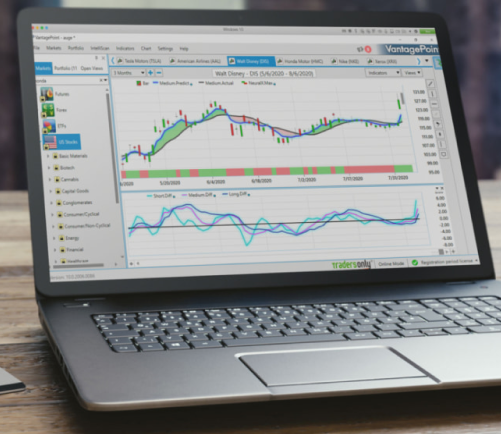
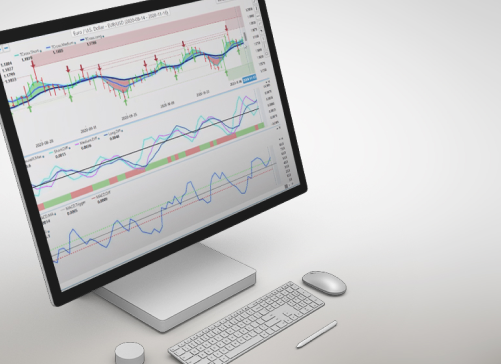
See how VantagePoint Software can predict the Soybean market with up to 87.4% accuracy* – Get Free Soybean Trading Predictions now.
Soybean Trading Tips
Watch how the seasonal pattern develops for soybean futures. Typically, soybean prices come under pressure before and during the U.S. harvest season in September-October when an increase in supply is anticipated or realized. But the winter is also the largest demand period for soybean meal in livestock feed so soybean crushers and soybean exporters begin to bid up prices in late fall or early winter before all of the soybeans get locked up in farm bins. Then after the first of the year soybean and grain prices sometimes endure a February break as the rivers freeze up and barge transportation is limited and as farmers deliver the crop they had been holding for tax or other reasons. In the past the attention then began to focus on new-crop soybeans and the uncertainty about planted acres and summer growing conditions, causing soybean prices to rise into summer as soybean supplies diminished. However, the rise in South American soybean production and exportable soybean supplies in March-April has modified the seasonal pattern. The price structure of soybean futures contracts usually includes a carry charge to cover the cost of interest, insurance, etc. that is, the price of March soybean futures should be, perhaps, 10-12 cents higher than for January soybean futures for that reason alone. But if the prices for front-month soybean futures are above prices for the more distant contract months, the market is saying it wants the soybeans now and is evidence of demand. Traders should be alert to these price influences on soybeans and should be using a technical indicator like moving averages to get a clearer picture of the market trend.
Trade Soybean Futures
Soybean futures trading has been very popular with speculators, producers and commercial interests throughout the years because soybeans typically have broad price fluctuations and have multiple uses that make soybeans a truly global market. Traders can also analyze the soybean market by looking at the price activity of its two major byproducts 44-48 pounds of soybean meal and 10-11 pounds of soybean oil for every bushel of soybeans. Trading soybeans allows investors to make a profit and helps farmers get a better average price for their crop. By understanding technical indicators, soybean traders or farmers can get in and out of contracts profitably.
Soybean Trading Strategy
Because soybeans are such a dynamic and broad trading category, trading in the soybean complex lends itself to multiple strategies whether trading soybean futures or soybean options alone or in combination with other futures contracts. There are a number of spreading opportunities including trading old-crop soybean futures against new-crop soybean futures, soybean futures against corn or wheat futures or soybean futures against soybean product futures. In soybean trading, crush has several meanings. It refers to both the physical process of converting soybeans to soybean by-products, soybean oil and soybean meal, and the trading strategies known as the soybean crush and reverse soybean crush. Soybean crushers use soybean, soybean oil and soybean meal futures to protect their gross processing margin. They purchase soybean futures to be protected against rising input costs and sell soybean oil and soybean meal futures to be protected against falling product prices. Soybean crushers could also use CBOT Soybean Crush Options to protect their processing margin.
Soybean Trading News
The USDA publishes data regarding Soybean production in the United States as well as other major producing areas of the world and estimates of usage including exports. Weekly reports update crop conditions during the growing season, both for key states and for the country as a whole. The Commerce Department provides regular reports on soybean crushing. The CBOT also presents daily and weekly information on soybean trading in the U.S. as well as soybean trading overseas.
Soybean Market Trends
Most of the U.S. soybean crop is planted in May and June, usually after cotton planting is done in the South and corn planting is done in the Midwest. Depending on prices and weather, soybeans may be planted on many winter wheat acres after the wheat is harvested in June. These double-cropped acres are more vulnerable to hot weather in the summer and typically do not yield as well as full-season soybeans. The most critical pricing periods for soybeans tend to occur in conjunction with private and USDA planting intentions report at the end of March, with weekly crop condition updates, with monthly crop reports released around the 10th of the month during the growing season and with quarterly stocks reports. Weather is also a critical factor for soybean prices, especially heat and moisture conditions during the blossoming and pod-filling stages for soybeans in late July and August.
Soybean Trading History
Soybeans originated in China but over the centuries have been cultivated in many temperate areas around the globe. For many years the United States was the world’s major soybean producer and exporter, but in recent years soybean production has increased dramatically in Brazil and Argentina. Although the United States still exports more than a billion bushels of soybeans in a year, the U.S. share of total world soybean exports has decreased as South American soybean production and trading has expanded. China has been a major soybean producer and exporter in the past, but with its large population and domestic demand, China has become a major soybean importer and its soybean purchases or lack of them have become a significant factor for soybean prices.
According to the Smithsonian, Henry Ford even promoted soybeans, helping to develop uses for it in both food and in industrial products, even demonstrating auto body panels made of soy-based plastics. Henry Ford’s interests in soybeans led to 2 bushels of soybeans being utilized in each Ford car.
Trading Soybean with VantagePoint Software
Since 1991 VantagePoint Software has been applying Artificial Intelligence to forecast market trends with up to 87.4% accuracy. With more than 25,000 customers in 114 different countries, VantagePoint is the leading AI trading software for Futures.