




Soybean Meal Trading Explained
Each bushel of soybeans produces about 48 pounds of soybean meal and 11 pounds of soybean oil so the soybean meal market is often closely tied with developments in the soybean market when external factors come into play. Soybean meal is the dominant protein supplement used in livestock and poultry feeds so herd and flock numbers are major influences on soybean meal consumption and prices. Soy products are also used to manufacture foodstuffs, diet-food products, beer and noodles. Technical uses include adhesives, cleansing materials, polyesters and other textiles.
Soybean Meal Prices & Soybean Meal Rates
Soybean meal futures and options are traded at CME Groups Chicago Board of Trade. The contract calls for physical delivery of 100 short tons (about 91 metric tons) of soybean meal. Like most CBOT agricultural contracts requiring physical delivery, the majority of the soybean meal futures positions are offset prior to the delivery period.
The pricing unit for soybean meal futures is in dollars and cents per short ton with a tick size (minimum price fluctuation) of $0.10 (ten cents) per short ton or $10 per contract.
Depending on market conditions, the soybean meal futures price may change by several ticks at a time but always in multiples of the ten-cent increment.
The months for trading soybean meal contracts are January, February, April, June, August, October, and December.
The last day of trading for soybean meal futures contracts is the eleventh business day of the contract month.
Soybean Meal Investing
Investing in soybean meal makes sense to a broadening range of traders as soybeans are increasingly being seen as a renewable resource not only for animal feed but also with its industrial applications. Diesel fuel with a soybean foundation has gained a wider following as an energy source, capturing the attention of the trucking and construction industry. So the economies of these markets impact soybean meal trading as well, an example of Intermarket influence.
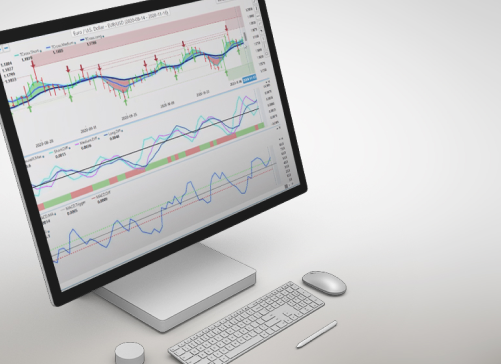
See how VantagePoint Software can predict the soybean meal futures market with up to 87.4% accuracy* – Free Soybean Meal Market Predictions now.
Soybean Meal Fundamental Background
Corn and soybeans are planted in the spring in the United States. Soybean field preparation and planting typically lasts from mid-March through the end of June if soybeans are double-cropped after the winter wheat crop is harvested in southern areas, but the primary planting period in the Midwest where most of the soybeans are grown is during May. Like corn, soybeans are vulnerable to hot, dry weather during the summer growing season. The most critical month for determining soybean yields and the size of the U.S. soybean crop is usually August when blossoming and pod-filling occurs and the quality and amount of soybean meal per bushel of soybeans is determined. Most of the soybean crop is typically harvested in September-October, and soybean meal production usually increases in the winter quarter to its largest level of the year to coincide with the period when animal numbers are usually at their greatest.
Soybean Meal Trading Tips
Soybean meal and soybean oil production and price prospects are intertwined so a soybean meal trader should not be trading one without being aware of what is happening to the other as well as what is happening in the soybean market in general. At times the demand for soybean meal will dictate the pace of the soybean crush and, therefore, the amount of soy oil available. At other times the demand for soy oil may be the controlling factor in the pace of soybean crush, meaning that either soybean oil or soybean meal could be an excess byproduct as a result of the soybean crushing process. You can’t have one without the other. Although soybeans and soybean products are closely related, there are several key differences. First, while there are many competing edible oils on the world market for soybean oil, the competition for soybean meal is less intense in the United States. Fishmeal, cottonseed meal and other sources may provide feed protein but soybean meal is the main source with poultry being a major consumer. Second, while soybeans can be stored for some time while waiting to be crushed, soybean meal cannot be stored for long periods of time, especially in hot weather. So the supply of soybean meal is more of a hand-to-mouth situation, which can lead to surplus or tight situations, depending on the crush rate. If a lot of soybean meal is available, that can pressure prices.
Soybean Meal Trading News
The U.S. Department of Agriculture is perhaps the best source of information about the supply of soybeans for soybean meal as well as animal consuming units. USDA releases monthly reports of supply/demand estimates for both the United States and the world as a whole including production and export prospects from major soybean growing areas. USDA also publishes situation reports that summarize the outlook from both a crop and feed perspective. The American Soybean Association is influential and a good source of information about everything related to soybeans including soybean meal. The National Oilseed Processors Association (NOPA) provides a monthly estimate of the U.S. soybean crush and publishes an official yearbook and trading guidelines for soybean meal and other soy products.
Soybean Meal Trading History
Soybeans are a relatively new crop in the United States, but they have become an extremely vital component of the U.S. farm economy, both for domestic usages and for export income. Soybeans were first grown commercially in the United States in the 1920s as a forage crop and for fertilizer, and then became a major source of vegetable oil for food and protein for livestock feeding. Today, soybeans are an international crop, and their major production area has expanded to include South America as one of the main suppliers.
Trading Soybean Meal with VantagePoint Software
Since 1991 VantagePoint Software has been applying Artificial Intelligence to forecast market trends with up to 87.4% accuracy. With more than 25,000 customers in 114 different countries, VantagePoint is the leading AI trading software for Futures.