


What are soft commodities, and how are soft commodities traded?
Softs is simply a label for a set of commodities, usually including, sugar, cotton, coffee, lumber and orange juice are also considered soft commodities. Most other commodities are not included in the softs category, such as metals, chemicals, and financial futures.
Soft Investing
Investing in softs commodities may be a worthwhile prospect. Softs Prices haven’t risen as fast as those of some of the other commodities, but over time there is every chance softs will provide a better profit margin based on their volatility providing for softs traders to make money on market swings.
The emerging markets in Asia changing diets may push up demand for proteins and grains. Add biofuels to this mix and the agricultural-commodity markets may be a good place to invest.
Commodities Exchange for Trading Softs
The New York Board of Trade (NYBOT) is the world’s largest commodities exchange for softs. Coffee, sugar, cocoa, cotton and Frozen Concentrated Orange Juice are all traded on the floor of the NYBOT. Over 20 million contracts of these global softs contracts trade annually through NYBOT.
The softs commodities trading market can be volatile and traders should understand the markets they are getting into prior to making a financial commitment. Softs trading provides both the potential for trader profit and price protection for softs producers throughout the world.
Major Indicators and Indices for Trading Soft Commodities
Softs are traded according to their production cycles. Months traded for softs cover every month depending on the category involved. Major market indicators revolve around crop reports, trading trends, auction sales, international news, and even weather news.
Advice for Soft Traders
One reason traders get involved in the softs markets is that the NYBOT softs market has the shortest trading hours versus other commodities. The shortest hours cover the sugar market, which trades only 3 hours each day. The longest hours are cotton, which trades 3 hours and 45 minutes each day. In addition to the shorter trading hours, the softs market does not have overnight trading versus other commodities which are influenced in their trading nearly constantly.
History of Soft Futures
The New York Board of Trade, or NYBOT was founded as the New York Cotton Exchange in 1870, and the Coffee, Sugar & Cocoa Exchange in 1882. Customers of the NYBOT include every segment of the underlying industries served by NYBOT markets, plus futures commission merchants, floor brokers, floor traders and managed futures funds. Softs continue to be an important economic trading platform.
Soft Trading Software
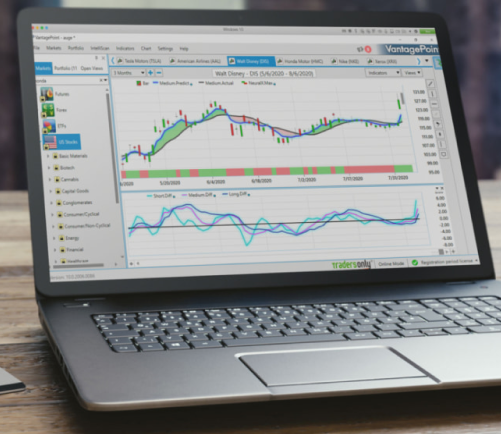
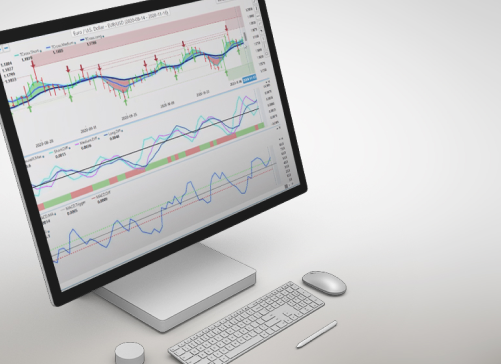
Having the right tool for the job is critical. Ask any trader what trading tools or types of financial analysis he is using for softs trading and you’re probably going to hear, Fibonacci, Elliotwave, MacD, moving averages, etc. Trading software can be used to augment your existing approach by giving you a broadened perspective. The key to a softs trading system is its ability to forecast moving averages! One of the better software products is VantagePoint trading software that helps you to “see” what is likely to happen in the softs market that you are trading before other traders (using only single-market analysis) catch wind of it. Frequently the crossover indicator flashes an “early warning” that the market is likely to make a top or bottom – before it actually happens!
Trading Softs with VantagePoint Software
Since 1991 VantagePoint Software has been applying Artificial Intelligence to forecast market trends with up to 87.4% accuracy. With more than 25,000 customers in 114 different countries, VantagePoint is the leading AI trading software for Futures.