




Rough Rice Defined and Explained
In most of the world, rough rice is used to describe the rice as it comes from the field after harvest. The rice grain is separate in this phase. Rough Rice futures are traded across the world just as rough rice is consumed over the world.
Rough Rice Investing
The United States, while accounting for only about 2% of global production, is a major exporter. Rough Rice’s trading influences are dominated by Asian influences more than any other. Weather concerns can have a huge impact on rough rice markets and this market is especially susceptible to an even more exaggerated move on these fears because it is so thinly traded.
Rough Rice Trading Prices/Rates
The standard contract size for rough rice trading is 2,000 cwt. The minimum move size is ½ cent per cwt, or $10 per contract.
Rough Rice Trading
The U.S. exports rice to countries like Brazil, Mexico, and Turkey for milling. The U.S. is about the only country in the world that allows the export of paddy rice. In many countries, due to the costs of shipment, it is not economically feasible to profit from export. Exporting usually occurs when the importing country has some sort of duty advantage for rough rice that allows it to occur.
Rough Rice Trading Strategy
The USDA reports that most international rural households rely on self-produced commodities, especially grains and vegetables, for a large share of the food they consume. However, as incomes rise and markets develop, especially in China, rural households are purchasing more of their food from markets. This makes trading rough rice an international contract.
Rough Rice trading software
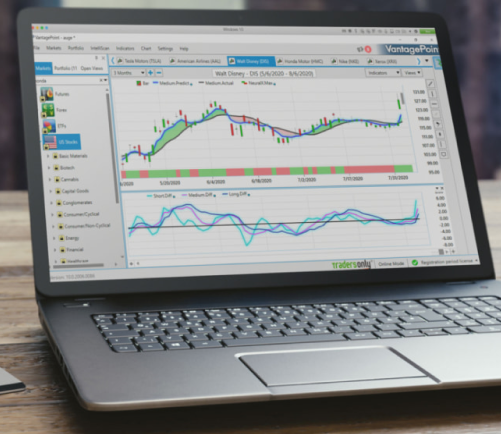
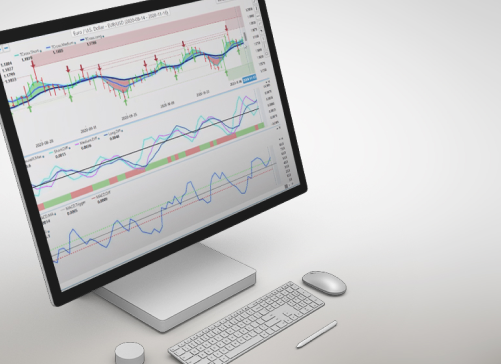
Having the right tool for the job is critical. Ask any rice trader what trading tools or types of financial analysis they are using for the world market and you’re probably going to hear Fibonacci, MacD, moving averages, etc. Trading software can be used to augment an existing approach by supplying an international perspective. The key to a rough rice trading system is its ability to forecast moving averages! One of the better software products is VantagePoint trading software that will help to “see” what is likely to happen in the market that you are trading before other traders (using only single-market analysis) catch wind of it. Frequently the crossover indicator flashes an “early warning” that the rough rice market is likely to make a top or bottom – before it actually happens!
Rough Rice Trading Major Indicators and indices
Rice farming takes place in late winter and early spring. Contract Months for rough rice run in September, November, January, March, May, and July.
The last trading day for rough rice is the seventh business day before the last business day of the delivery month. The last delivery day for rough rice contracts is the last business day of the delivery month.
Rough Rice Trading News
There are multiple sources for news in the rough rice market. Many of these sources are international in nature and give some insight into trading in these markets and trends that are occurring.
These news sources for rough rice are:
- USA Rice Federation
- USDA Briefing Room
- Asia Rice Foundation
- California Rice Commission
Rough Rice Trading Information
The USDA reports that regional differences in production practices, farm characteristics, and growing conditions are major influences on production costs incurred by U.S. rough rice producers. The USDA also describes the evolution of China’s rice market over the last two decades, including the impact of changes on China’s competitiveness in key Asian import markets.
Rough Rice Trading Advice
Rough rice future trading involves loss risk and those involved should be fully aware of this prior to executing even their first trade. The rough rice trading arena may be best suited for those with a working knowledge of the grains industry or those involved in managing their own rough rice farms. For new investors, unless resources are in place to predict market elements, such as trading software or broker reports, caution should be exercised. Trading rough rice futures is as safe as any other futures contract. However, due to only a percentage of a rough rice contract’s value being required to trade, it is possible to lose more than the amount of money deposited for a futures position! Therefore, traders should only invest funds that they can afford to lose without affecting their lifestyle.
Rough Rice History
According to the Museum of Natural History, radiocarbon dating of soil containing grains of rice found in south China shows rice was grown as far back as 7,000 year ago. Researchers claim rice may have been indigenous to India and then moved eastward to Asia.
Rice production is an important part of U.S. agriculture. Today, six states produce more than 99% of all rice grown in America; Arkansas, California, Louisiana, Mississippi, Missouri and Texas.
Arkansas, the largest rice-producing state in the nation, harvested nearly half of the bushels produced nationwide. Rice continues to grow in popularity with U.S. consumers, with annual per capita consumption at more than 30 pounds.
Trading Rough Rice with VantagePoint Software
Since 1991 VantagePoint Software has been applying Artificial Intelligence to forecast market trends with up to 87.4% accuracy. With more than 25,000 customers in 114 different countries, VantagePoint is the leading AI trading software for Futures.