

Investing in the Platinum Market
Platinum is the principal metal of the six-metal group that bears its name; the other platinum group metals (PGMs) are palladium, rhodium, ruthenium, osmium, and iridium. All possess unique chemical and physical qualities that make them vital industrial materials.
Platinum and palladium are the most widely used of the six platinum group metals, especially valued for their catalytic functions, their conductivity, and their resistance to corrosion. They are essential in key manufacturing processes in the automobile, chemical, petroleum refining, pharmaceutical, and electronics industries. On a relative volume of the amount mined on an annual basis, platinum has more industrial uses than gold and silver combined.
Platinum is also used in jewelry because its resistance to wear and tarnishing are well-suited for fine jewelry. If silver is the poor man’s gold, then platinum is the rich man’s gold it is sometimes called white gold. Platinum is the rarest of all the precious metals, 16 times more rare than gold and 100 times more rare than silver. Coins and medallions made of platinum, though more expensive, provide another way to invest in this precious metal. Platinum Trading Prices & Rates
Where & How Platinum is Traded
The New York Mercantile Exchange (NYMEX) is the world’s premier exchange for trading platinum futures and options.
The size of the NYMEX platinum futures contract is 50 troy ounces. Trading is conducted over 15 months beginning with the current month and the next two consecutive months and then the quarterly cycle of January, April, July, and October. Platinum futures and options are priced in dollars per troy ounce with a minimum price fluctuation of $0.10 per troy ounce or $5 per contract. The maximum daily price limit is $25 per troy ounce ($1,250 per contract) except for the current delivery month, which has no daily price limit. Platinum options strike price intervals are in increments of $10 per troy ounce. Exchange of Futures for Physicals (EFPs) may be used to either initiate or liquidate a platinum futures position.
Tips for Trading Platinum Futures
Platinum prices are sensitive to shifts in the U.S. economy. Seasonally, platinum prices tend to increase during the first quarter of the year as industrial production tends to be strong during February and March. Then, platinum prices typically decline during the summer as industrial production generally slows and easier transportation makes supply more readily available. Prices also tend to weaken in August/September as the biggest rush of auto production, the leading industrial consumer of platinum, is completed for the new model year.
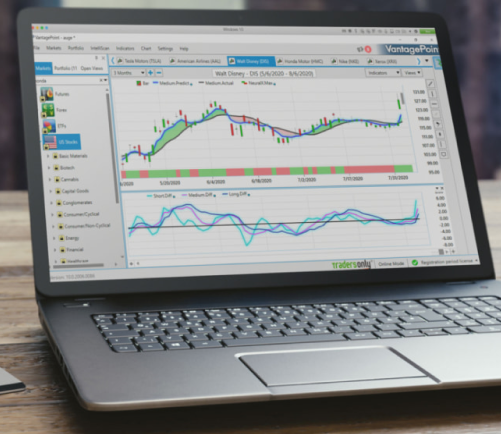
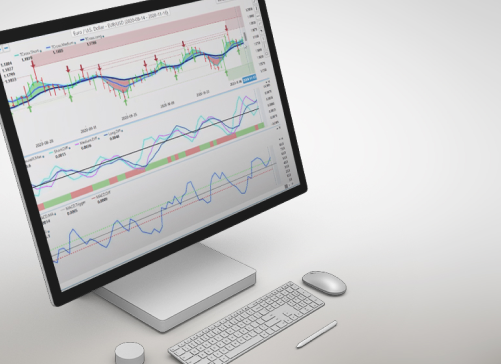
See how VantagePoint Software can Forecast the Platinum Trading market with up to 87.4% accuracy* –Free Forecasts for platinum prices now.
Platinum Metal Trading Supply
The annual production of the platinum metal is only about 118 tons or only 6% (by weight) of the western world’s annual gold production and less than 1% (by weight) of the world’s annual silver production. To put the supply of platinum into perspective, more than twice as much steel is poured each day in the United States than the amount of platinum produced in the world each year.
Platinum is among the world’s scarcest metals as new mine production totals only about 5 million troy ounces a year compared to about 80 million ounces for gold and about 550 million ounces for silver. Platinum occurs as a native alloy in placer deposits or, more commonly, in lode deposits associated with nickel and copper. Supplies of platinum are concentrated in South Africa, which accounts for approximately 80% of world supply; Russia, 11%; and North America, 6%.
Unlike gold and silver, there are no large above-ground stocks of platinum to fill the gap against significant supply disruptions in fact, probably less than a year’s supply in reserves. About eight tons of raw ore must be mined to produce just one pure ounce of platinum, and it takes 6-9 months to go from extraction to processing. With labor unrest/strikes and shortages of electrical power in South Africa interrupting mining output and with uncertainties about the flow of supplies from Russia, platinum remains vulnerable to sudden supply and price shifts.
Platinum Trading Demand
Jewelry creates the largest demand for platinum, accounting for a little more than half of annual platinum consumption, with Japan accounting for about a half of the platinum demand for jewelry. Automotive catalytic converters consume about 30% of the platinum supply and chemical and petroleum refining catalysts, 13%. The computer industry and other high-tech electronic applications account for about 7% of consumption because platinum is an excellent conductor of electricity, does not corrode, and has low reactivity with other metals.
Gasoline, hard disk drives, anti-cancer drugs, fiber-optic cables, LCD displays, eyeglasses, fertilizers, explosives, paints and pacemakers all rely on platinum. Platinum is also the key catalyst used in fuel cells. It has been estimated that 20% of all goods manufactured today either contain platinum or are produced using equipment containing platinum.
Demand for platinum in high-technology applications is soaring due to its unique properties: It is virtually impervious to corrosion, has a melting point in the alloy of 3,215 degrees Fahrenheit, is a powerful catalyzing agent and is highly conductive.
Platinum Trading Background
The first European reference to platinum appears in 1557 in the writings of the Italian humanist Julius Caesar Scaliger (1484-1558) as a description of a mysterious metal found in Central American mines between Panama and Mexico. Spanish conquistadors had discovered platinum when they were panning for gold in the Choco region of today’s Colombia. Because platinum interfered with gold panning, it was considered a nuisance and discarded as worthless.
However, in 1751 a Swedish assayer, Scheffer, successfully melted and worked the substance that had stymied the conquistadors, and by 1780, French glass workers were using platinum to make crucibles of glass because platinum did not melt at the extreme heat needed for making glass. Platinum’s resistance to heat, corrosion, and strength made it an important industrial metal.
When jewelers were able to melt platinum in the 19th century, “white gold” began to replace silver in jewelry. The lustrous white color of platinum better accentuates diamonds, and the bands can be much smaller as platinum is more than 100 times stronger than silver.
Platinum Metal Futures Trading Resources
Platinum traders may not have the organizations or associations on which they can rely for information, but exchanges and brokerage firms have resource materials on platinum and palladium. Platinum prices are covered by all major publications, and sources for the automobile or jewelry industries also have information about the use of platinum in their businesses.
Those interested in investing in platinum with a wedding ring or other jewelry may want to consult Platinum Guild International (www.platinumguild.com) for tips about this aspect of platinum.
Trading Platinum with VantagePoint Software
Since 1991 VantagePoint Software has been applying Artificial Intelligence to forecast market trends with up to 87.4% accuracy. With more than 25,000 customers in 114 different countries, VantagePoint is the leading AI trading software for Futures.