

Meats Futures
Meats futures are financial instruments that are used to hedge price risk or to speculate on price fluctuations in livestock and meat markets. Trading meat futures contracts appeal to livestock producers because they face a variety of risk from uncertain weather, feed costs, the availability of feed and grass, rates of gain, conception rates, animal health, shipment costs and reactions to disease scares and diet fads that can turn demand around almost overnight.
Trading commodity meat products helps livestock producers, processors and agribusinesses involved in the food chain manage the constant price risks they face, enabling them to lock in profits, perform better business planning and serve their markets more effectively with more consistent pricing. Livestock futures give producers a way to support and strengthen their operations to provide products to consumers at better prices.
Meats Trading Prices & Rates
The first important point to make about meats markets is that livestock futures prices and the cash prices for the related livestock products are not usually the same because there may be large differences in specifications between the meats exchange market and the cash market with which consumers may be familiar.
Meat futures are based on a specific type and grade and quantity of animals whereas prices in the cash meat market are based on cutout values that may cover a wide range of types and quality of the meat available at the butcher shop or meat counter.
See how VantagePoint Software can predict the meats exchange market with up to 87.4% accuracy* – Get Free Meats Forecasts now
Meats Trading Tip
When prices of key feed ingredients like corn and soybeans go up dramatically, as they did in 2008, you might expect those higher prices would drive up prices of meat futures and meats at the grocery store. That is quite possible in the long run, but the short-term price reaction is likely to be just the opposite, resulting in lower prices.
Meats are not storable for a long period of time so, essentially, what is produced must be consumed at some price. If the animal numbers are large, the feed demand for corn and soybean meal increases and prices of corn and soybean meal tend to go up. The use of corn and soybeans as fuel exacerbates the demand for these commodities as their prices reflect what is happening in the energy market. As feed prices rise, livestock producers find their input costs become too high and they begin to cut back the size of their herds. As they push more animals to market, the meat supply increases, putting pressure on meat prices.
Eventually, the animal numbers will get low enough that demand for meat begins to pull meat prices back up and encourages livestock producers to increase animal numbers again. As they withhold animals from the market to build up their herds, supply diminishes further and prices move even higher. It takes time for this cycle to develop. While hog numbers can grow rather quickly, it may take 3-5 years to rebuild the cattle herd because of longer gestation and feeding periods. Meanwhile, cattle prices may get strong until herd numbers increase as the cycle repeats itself.
Meats Trading Information
Meats trading takes place at the CME Group, where futures and options are traded on live cattle, feeder cattle, lean hogs and pork bellies. A CME livestock futures contract is simply a standardized agreement to buy or sell livestock at some date in the future. The CME contracts specify the quantity of the meat (pounds of livestock as well as the range or weight for individual animals); the specific U.S. grades of meat if they apply; and delivery points (the physical location to deliver the commodity, such as live cattle, or cash settlement in the case of feeder cattle and lean hogs).
Livestock futures prices are listed in daily newspapers and other media, typically in the same section as stocks, grain prices and other markets. Commentary in most newspapers about meats trading is usually limited to major livestock indicators. The meat markets tend to get publicity only when something unusual happens such as an outbreak of a disease or a change in dietary habits.
The U.S. Department of Agriculture collects and maintains a large amount of meat market data and supplies most of the information about slaughter numbers, meat stocks, cash prices, etc. with a variety of daily, weekly and monthly reports.
State Cattlemans Associations typically have good information about the livestock market and give details on auctions and livestock trends that may be occurring. Reports associated with grain and soybean supplies can be important because of their implication for feed costs, and any reports that deal with the U.S. economy may provide significant insights into the consumer’s ability or willingness to purchase meats.
Meats Trading Rationale
When cattle ranchers are concerned that prices will be lower when their animals will be ready to market, they can use the meat futures markets to hedge their production to protect themselves financially. Ranchers can calculate the cash price they will need to receive for their livestock and can sell live cattle futures as a way to lock in a price to ensure profitability or minimize losses despite declines in the cash market price for livestock.
If the cash meat market prices do decline, ranchers will likely lose money when they sell their physical livestock, but they will have gained money in the futures trade. The profit on the futures transactions helps to compensate for the loss in the cash market sale. Hog producers can also hedge their production in a similar manner. Likewise, buyers of livestock or large buyers or distributors of meats or meat products could protect themselves against a rise in prices by using livestock futures to hedge their requirements.
Meats Trading Software
Having the right tool for the job is critical. Ask any trader what trading tools or types of financial analysis he is using and you’re probably going to hear stochastics, Fibonacci, Elliotwave, MACD, moving averages, etc. Trading software can be used to augment your existing approach by giving you a broadened perspective.
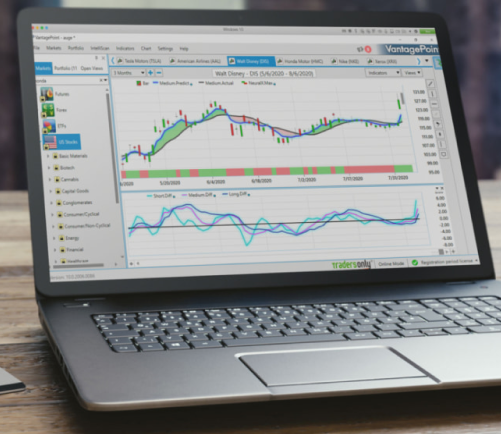
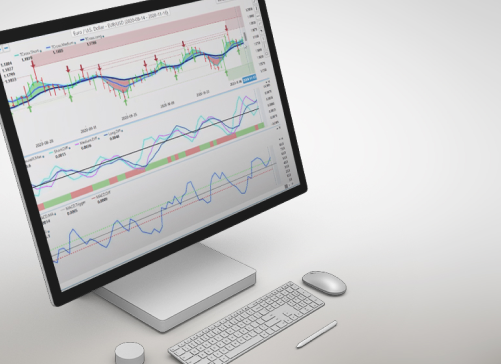
The key to a meats trading system is its ability to forecast moving averages! One of the better software products is VantagePoint trading software that helps you to see what is likely to happen in the market that you are trading before other traders (using only single-market analysis) catch wind of it. Frequently the crossover indicator flashes an early warning that the meats market is likely to make a top or bottom – before it actually happens!
Meats Trading Indicators and Indices
Most livestock trading contracts are monthly contracts with beginning and ending dates that that are spelled out in advance. Most Livestock and Meats contracts are produced daily, weekly, monthly, quarterly, and yearly so this is a well-tracked market.
National Agricultural Statistical Service reports are a major basis for most indicators in the meat and livestock sector. Here are some of the major livestock and meat reports that can help a meat futures trader analyze markets:
- Cattle Inventory (Semi-annual)
- Cattle on Feed (Monthly)
- Cold Storage Stocks (Monthly)
- Livestock Slaughter (Monthly and annual)
- Hogs and Pigs (Quarterly)
- Meats Trading History
The Chicago Mercantile Exchange introduced futures trading on meats in 1961 with the frozen pork belly futures contract (sides of bacon stored in freezers). CME introduced a futures contract on live cattle in 1964, an innovative move because futures were only traded on storable commodities such as grains at the time.
Since then, the live cattle futures contract has undergone significant changes, and each of these changes has enhanced the usefulness of the contract in risk management programs. These tools enabled cattle producers to manage their price risk more effectively. CME continues to work with the cattle industry to meet producers’ changing needs by improving the live cattle futures contract. In addition, to live cattle futures, live hog futures were added in 1966 and feeder cattle futures in 1971.
In 1997, lean hog futures and options replaced the live hog contracts. In 1999, stocker cattle futures and options were added.
Trading Meat with VantagePoint Software
Since 1991 VantagePoint Software has been applying Artificial Intelligence to forecast market trends with up to 87.4% accuracy. With more than 25,000 customers in 114 different countries, VantagePoint is the leading AI trading software for Futures.