



Predicting The Trends of Lumber
Trading CME® Random Length Lumber futures gives mills, wholesalers, homebuilders, and retail dealers a way to manage price risk and to take advantage of price opportunities. The contract specifies softwood 2 x 4s, the type used for rehabbing and construction. Individual investors like lumber as well, due to its price trending nature and keen ability to track the economy.

Lumber Investing
Investors actually like that cash lumber prices are often unpredictable and volatile. Supplies can change due to mill closings, environmental policies, and other factors. Demand also tends to shift rapidly, based on interest rates and other economic conditions that affect housing starts. As a result, lumber prices react to supply and demand imbalances with frequent and often extreme changes.
Futures Prices/Rates
Lumber trading contracts consist of 110,000 bd. ft. of random lengths 2x4s (8′ to 20′).
The price point descriptions are 1 point = $.10 per 1,000 bd. ft., or $11 per contract
Futures Contract Trading
In 1969, CME became the first exchange to offer price protection to the forest products industry
with the listing of CME Random Length Lumber futures contracts. Firms engaged in producing, processing, marketing, or using lumber and lumber products have been able to hedge their risk exposure and reduce the risk of holding or acquiring inventory through taking an equal and opposite position in CME Random Length Lumber futures.
Trading Strategy
Large lumber moves due to large volume All along the distribution chain, most firms speculate on the cash price of lumber. Between each stage – forest, mill, processor, wholesaler, retailer, builder, or end-user – economic developments may cause unfavorable price changes because of the time lag between purchase and final sale. Even if the lag is only a few days or weeks, the risks are enormous. For example, statistics of the North American Wholesale Lumber Association show that its member firms carry about a half-billion dollars worth of distribution inventory. As little as a two percent drop in lumber price could cost that segment of the industry more than $10 million.
Trading Software for Lumber
Trading software in the lumber market is especially helpful to gain control over the seasonal, business, and external influences that affect the lumber trading price on a frequent basis. Understanding moves the lumber market can mean the difference between a profitable trade and a painful loss.
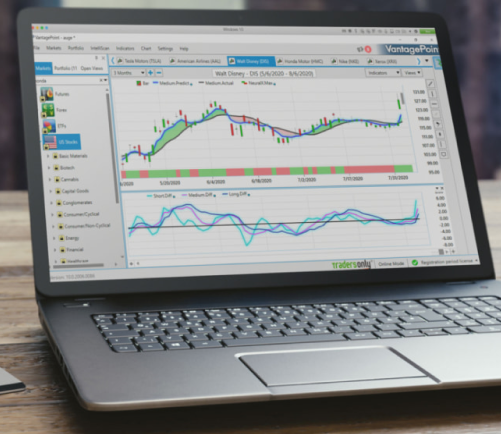
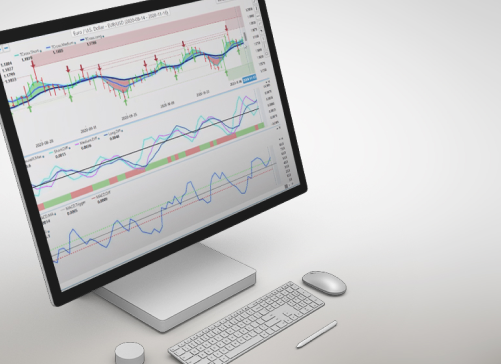
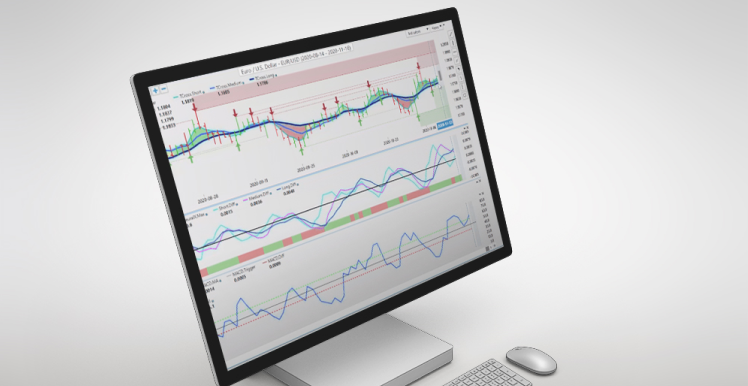
The key to a lumber trading system is its ability to forecast moving averages. One of the best software products is VantagePoint trading software that helps you to visualize what is likely to happen in the lumber market that you are trading before other traders (using only single-market analysis) catch wind of it.
Trading Major Indicators and Indices
The lumber delivery contract months are as follows: January, March, May, July, September and November. The last day of trading is the business day prior to the 16th calendar day of the contract month. The last day of lumber trading is the business day prior to the sixteenth calendar day of the contract month.
Trading News
There are a number of publications and sources for lumber trading information in North America. A lumber trader may be able to better understand the marketplace by looking to additional sources of information to enhance their trading profits.
Resources Include
- Foreign Affairs and International Trade Canada
- The Chicago Mercantile Exchange
- Timberweb.com – Gives a lumber directory on its site
- Lumberdirect.com.au – A private Australian company that gives information on the sustainable production of timber in Australia.
- Lumber Trading Information
The primary deliverable lumber species is Western Spruce-Pine-Fir, although other Western species also may be delivered: Hem-fir, Englemann Spruce, and Lodgepole Pine. Mills must be located in the states of Oregon, Washington, Idaho, Wyoming, Montana, Nevada or California, or the Canadian provinces of British Columbia or Alberta.
Trading Advice
Trading lumber may be used for business expansion purposes, without increasing risk to the company. Business expansion hedges look similar to price protection hedges, but they go out beyond 30-or 60-day limits when such business deals are normally transacted.
After lumber traders develop a foundation of knowledge of the production cycles of lumber cultivation and processing, it is important to recognize how that knowledge needs to be combined with an understanding of economic factors that affect each aspect of getting the lumber from the forest to Jobsite. Traders need to examine the relationship between world-wide economic conditions and lumber prices and trends.
Trading software and analysis are best used to assist in this market so that information is combined and analyzed properly. Using lumber trading software to trade lumber assists with getting in and out of trades profitably and is especially useful when lumber traders are not directly involved in production.
Trading Lumber with VantagePoint Software
Since 1991 VantagePoint Software has been applying Artificial Intelligence to forecast market trends with up to 87.4% accuracy. With more than 25,000 customers in 114 different countries, VantagePoint is the leading AI trading software for Futures.