




 |
 |

See how VantagePoint Software can predict the Gold Trading market with nearly 80% accuracy - Get Free Trading Predictions now.
The information you submit is confidential and will never be shared with any outside parties.
You Can Also Call Us At
1-800-732-5407
Mention the priority code goldinfo to speak with a representative who
will provide you with FREE recent VantagePoint predictions.
VantagePoint Intermarket Analysis Software Predicts Gold Markets with up to to 80% Accuracy.
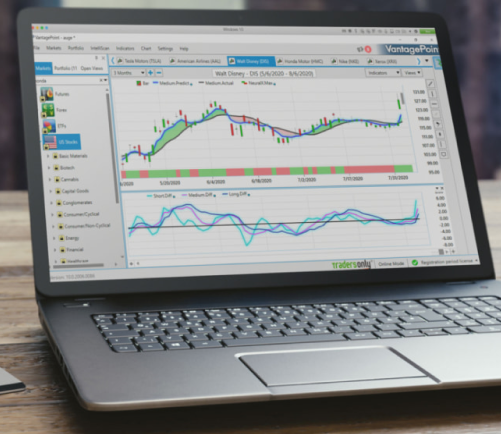
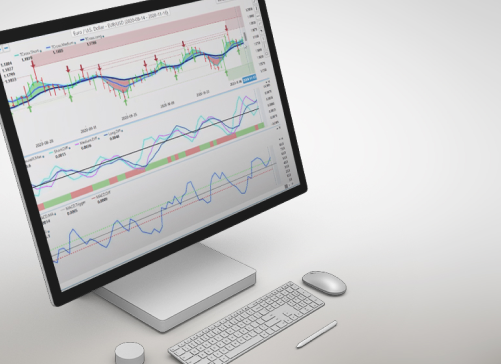
VantagePoint combines intermarket analysis and predicted technical indicators such as predicted moving averages, predicted RSI, predicted Stochastics, and many other predicted indicators that help you forecast where the markets are headed.
We're so confident in our program's accuracy, we want you to see free actual forecasts for the markets of your choice so you can see for yourself.
|

Gold Trading
Gold Trading Defined and Explained
Almost every exchange of any note around the globe has some type of gold investment, whether in stocks or futures or some other instrument based on a component of the gold market.
Two of the most important gold trading centers are in London and New York. The London gold market is one of the oldest in the world and is the largest market for physical gold. Since September 12, 1919, the “London gold fix” has been the gold price standard used in contract arrangements around the world. Today, the gold fixings take place at 10:30 a.m. and 3 p.m., providing the “official” gold price used by producers, consumers and central banks.
The major gold futures exchange for U.S. traders is the Comex division of the New York Mercantile Exchange (NYMEX), which began trading gold futures on Dec. 31, 1974, on the first day U.S. citizens were allowed to own gold after a ban of more than 40 years. Other important gold markets are located in Tokyo, Sydney, Hong Kong, Shanghei, Singapore, Dubai and Zurich. So at any time of the day or night a current gold price is being established somewhere.
Gold Market Prices & Rates
- The size of the NYMEX gold futures contract is 100 troy ounces.
- Contract months are February, April, June, August, October and December.
- Gold futures prices are quoted in U.S. dollars per ounce ($1 equals $100 per contract), with a minimum price fluctuation of 10 cents ($10 per contract).
- Another venue for trading gold futures is NYSE Euronext, which purchased the metals complex including mini- and full-size
gold futures contracts that were traded at the Chicago Board of Trade prior to the CBOT’s merger into CME Group.
- Another medium to invest in gold is the StreetTracks
Gold Shares exchange-traded fund introduced in 2004. Sponsored by a subsidiary of the World
Gold Council, the shares are designed to track the price of gold and trade like a continuously offered security.
Gold Trading Fundamentals
South Africa is the world's largest producer of gold, accounting for about 16 percent of annual world gold production, followed by the United States (12 percent), Australia (11 percent) and China (7 percent). In the United States, Nevada is the top gold producing state, followed by Alaska and California.
According to the National Mining Association, mined gold supply is dwarfed by the growing global gold demand. The best estimates indicate that the global market buys almost 5,000 metric tons of gold each year. Global gold demand exceeds global gold supply by approximately 60 percent annually, creating an ongoing structural shortage situation.
Although gold is “consumed” for various purposes, it is claimed that virtually all of the gold mined throughout history still exists today in one form or another. Gold jewelry, for example, is considered to be a store of value and an important way to hold gold. Whenever
gold prices get high enough, gold recovery from scrap or from relatively minor uses such as electronic equipment keeps gold supplies from “disappearing.”
See how VantagePoint Software can help gold price predictions
with nearly 80% accuracy - Get
Free Gold Forecasts now.
Gold Trading Tips
While prices for many physical commodities tend to revolve around supply-demand data, gold needs to be treated more like a financial market that responds to fear and anxiety. Gold prices typically move higher in times of crisis and panic. A stock market crash, an unexpected war or terror attacks can lead to a buying frenzy in gold because traders view it as a safe haven and preferable to own instead of paper assets.
Gold prices usually move higher during periods of high inflation, which tend to bring on higher interest rates. Gold futures prices also have an inverse relationship with the price of the U.S. dollar, because gold and other key commodities like oil are priced in dollars. If the value of the dollar declines over time, the price of gold should rise.
Gold Trading Information
Because of its role in world markets and economies, gold is the subject of many financial articles and presentations by the media, and many of the news events reported by the financial press have a bearing on the price of gold. Numerous newsletters and internet web sites advocate investments in gold and hard assets or investments in penny stock gold mining companies.
Gold Trading Supply and Demand
In addition to data and information available from the exchanges and from government sources, a number of organizations offer materials related to gold production, consumption and other statistics and other resources that may interest the gold trader. Two of them are:
- The National Mining Association, based in Washington, D.C., is a national trade organization of 325 corporations that represents the interests of all aspects of the mining industry including coal, metal and industrial mineral producers, mineral processors, equipment manufacturers, bulk transporters, etc. (www.nma.org)
- The World Gold Council, founded in 1987, is an organization formed and funded by the world's leading gold mining companies operating on six continents with the aim of stimulating and maximizing the demand for, and holding of, gold. It offers a number of resources on gold supply/demand and why, how and where to invest in gold.
Gold Trading History
Gold trading has existed for centuries and has been a keystone for economies throughout history, continuing to have global financial impacts today. Gold has not only been a means of exchange but also is regarded as a store of value and an excellent hedge against inflation.
In addition to being a monetary commodity, gold has a number of uses in jewelry, dentistry, etc. and is also an important industrial commodity because it is an excellent conductor of electricity and is extremely resistant to corrosion, making it critically important in electronics and other high-tech applications.
Gold is one of those markets that provide a wide range of viable investment vehicles for almost any type of investor. In addition to the physical gold itself in the form of gold bullion or gold coins, investors can express their opinions about the outlook for gold prices in gold futures and options, stocks of companies involved in metals and mining including the gold mining penny stocks and gold exchange-traded funds.
Breaking News
Softs
Jim Wyckoff, Senior Analyst, TraderPlanet.com July sugar closed down 41 points at 15.44 cents yesterday. Prices closed near the session low on profit-taking pressure. The key "outside markets" were mixed for the sugar futures market yesterday, as the U.S. stock indexes were steady-higher, crude oil prices were steady-lower and the U.S. dollar was lower. Sugar has been trading in a sideways range at higher levels for three weeks. Bulls need to push prices above this trading range to gain fresh power. That means pushing and closing prices above the May high of 16.03 cents. Sugar bulls do still have the near-term technical advantage. Prices are still in a seven-week-old uptrend on the daily bar chart. Bulls' next upside price objective is to push and close prices above technical resistance at 16.03 cents. Bears' next downside price objective is to push and close prices below solid technical support at 14.90 cents. First resistance is seen at 15.75 cents and then at yesterday's high of 15.88 cents. First support is seen at yesterday's low of 15.40 cents and then at last week's low of 15.26 cents.
Wyckoff's Market Rating: 7.0
Read More at TraderPlanet.com »
Livestock
Jim Wyckoff, Senior Analyst, TraderPlanet.com August live cattle closed down $0.20 at $81.62 yesterday. Prices closed nearer the session low yesterday and closed at a fresh two-month low close. The key "outside markets" were bullish for the cattle futures market yesterday, as the U.S. stock indexes were higher, crude oil prices were higher and the U.S. dollar was lower. Yet the cattle futures sold off anyway, which is a bearish clue. Cattle futures bears have the overall near-term technical advantage. Prices are in a six-week-old downtrend on the daily bar chart. Bulls' next upside price objective is to push prices above solid technical resistance at $83.90. The next downside technical objective for the bears is pushing and closing prices below solid technical support at the February low of $80.70. First resistance is seen at $82.00 and then at yesterday's high of $82.20. First support is seen at yesterday's low of $81.42 and then at last week's low of $81.22.
Wyckoff's Market Rating: 2.0
 Read More at TraderPlanet.com »
Soy Complex, Grain Futures
Jim Wyckoff, Senior Analyst, TraderPlanet.com
July soybeans on Friday closed firmer and near mid-range. The key "outside markets" were bullish for soybeans Friday, as the U.S. stock indexes were firmer, crude oil prices were higher and the U.S. dollar was sharply lower. Bulls do still have the near-term technical advantage. Prices are in a three-month-old uptrend on the daily bar chart. The next upside price objective for the bean bulls is to push and close prices above solid technical resistance at $12.50 a bushel. The next downside price objective for the bears is pushing and closing prices below solid support at $11.00 a bushel. First resistance for July soybeans is seen at Friday's high of $11.93 and then at last week's high of $12.00 3/4. First support is seen at Friday's low of $11.75 1/4 and then at $11.64.
[...] Read More at TraderPlanet.com »
Metals
Jim Wyckoff, Senior Analyst, TraderPlanet.com August gold futures closed up $7.60 at $962.80 yesterday. Prices closed nearer the session high yesterday, hit a fresh nine-week high and scored a bullish "outside day" up on the daily bar chart yesterday. Gold bulls have the near-term technical advantage and gained fresh upside momentum yesterday. Prices are in a six-week-old uptrend on the daily bar chart. Bears' next downside price objective is closing prices below solid technical support at $920.00. Gold bulls' next upside price objective is to push and close prices above solid technical resistance at the March high of $970.00. First resistance is seen at yesterday's high of $966.70 and then at $970.00. Support is seen at $955.00 and then at $950.00.
Wyckoff's Market Rating: 7.5.

[...] Read More at TraderPlanet.com »
Softs
Jim Wyckoff, Senior Analyst, TraderPlanet.com July sugar closed down 20 points at 15.74 cents yesterday. Prices closed near mid-range and were pressured by profit taking. Also, the key "outside markets" were mostly bearish for the sugar market yesterday, as the U.S. stock indexes were weaker and the U.S. dollar was stronger. Sugar bulls still have the near-term technical advantage. There are still no early technical clues that a market top is close at hand. Prices are still in a seven-week-old uptrend on the daily bar chart. Bulls' next upside price objective is to push and close prices above technical resistance at 17.00 cents. Bears' next downside price objective is to push and close prices below solid technical support at 14.90 cents. First resistance is seen at yesterday's high of 15.93 cents and then at the contract high of 16.05 cents. First support is seen at yesterday's low of 15.51 cents and then at 15.25 cents.
Wyckoff's Market Rating: 7.5

[...] Read More at TraderPlanet.com »
Livestock
Jim Wyckoff, Senior Analyst, TraderPlanet.com August live cattle closed up $0.05 at $83.82 yesterday. Prices closed near the session high again yesterday on more tepid short covering in a bear market. Prices last Friday did produce a bullish weekly high close. The key "outside markets" were mostly bullish for the cattle market yesterday, as the U.S. stock indexes were sharply higher and crude oil prices turned higher as the session wore on. Cattle bears still have the overall near-term technical advantage. Bulls' next upside price objective is to push prices above solid technical resistance at the May high of $84.40. The next downside technical objective for the bears is pushing and closing prices below solid technical support at the May low of $81.60. First resistance is seen at last week's high of $83.90 and then at $84.00. First support is seen at yesterday's low of $83.25 and then at $83.00.
Wyckoff's Market Rating: 3.5
July Soybeans

Jim Wyckoff, Senior Analyst, TraderPlanet.com July soybeans on Friday closed weaker and near the session low on profit-taking pressure. Bulls still have the solid near-term technical advantage. Prices are still in an 11-week-old uptrend on the daily bar chart. The next upside price objective for the bean bulls is to push and close prices above psychological resistance at $12.00 a bushel. The next downside price objective for the bears is pushing and closing prices below solid support at the April high of $10.64 1/2 a bushel. First resistance for July soybeans is seen at $11.77 1/2 and then at last week's high of $11.89 1/2. First support is seen at Friday's low of $11.64 and then at $11.50.
$16.50 -------- the contract high $11.45 3/4 --- 10-day moving average $11.07 1/4 --- 20-day moving average $10.53 1/2 --- 40-day moving average $6.85 -------- the contract low
JULY SOYBEAN MEAL
July soybean meal on Friday closed weaker and near the session low on profit taking after hitting a fresh 8.5-month high early on. Bulls still have the solid near-term technical advantage. The next upside price objective for the bulls is to produce a close above solid technical resistance at $390.00. The next downside price objective for the bears is pushing and closing prices below solid technical support at $350.00. First resistance comes in at $380.00 and then at [...] Read More at TraderPlanet.com »
Energies
Jim Wyckoff, Senior Analyst, TraderPlanet.com July crude oil closed down $1.03 at $61.00 a barrel yesterday. Prices closed near mid-range yesterday and were pressured on profit taking and a lower U.S. stock market. Bulls still have the near-term technical advantage. A four- week-old uptrend is in place on the daily bar chart. The next downside price objective for the crude oil bears is to produce a close below solid technical support at this week's low of $56.76. The next upside price objective for the bulls is producing a close above solid technical resistance at $65.00 a barrel. First resistance is seen at yesterday's high of $61.87 and then at this week's high of $62.26. First support is seen at $60.00 and then at $59.00.
Wyckoff's Market Rating: 6.5

[...] Read More at TraderPlanet.com »
Metals
Jim Wyckoff, Senior Analyst, TraderPlanet.com June gold futures closed up $12.80 at $939.50 yesterday. Prices closed near the session high and hit a fresh two-month high yesterday. Prices were again supported by a weaker U.S. dollar yesterday. Gold bulls have the near-term technical advantage and gained fresh upside momentum yesterday. Prices are in a four-week-old uptrend on the daily bar chart. Bears' next downside price objective is closing prices below solid technical support at this week's low of $915.20. Gold bulls' next upside price objective is to push and close prices above solid technical resistance at the March high of $970.00. First resistance is seen at yesterday's high of $941.00 and then at $945.00. Support is seen at $935.00 and then at $930.00.
Wyckoff's Market Rating: 7.0

[...] Read More at TraderPlanet.com »
Softs
Jim Wyckoff, Senior Analyst, TraderPlanet.com July sugar closed up 2 points at 15.63 cents yesterday. Prices closed near mid-range yesterday. Sugar bulls have the near-term technical advantage. There are still no early technical clues that a market top is close at hand. Prices are still in a five-week-old uptrend on the daily bar chart. Bulls' next upside price objective is to push and close prices above technical resistance at 17.00 cents. Bears' next downside price objective is to push and close prices below solid technical support at last week's low of 14.90 cents. First resistance is seen at yesterday's high of 15.91 cents and then at the May high of 16.03 cents. First support is seen at 15.50 cents and then at yesterday's low of 15.37 cents.
Wyckoff's Market Rating: 7.0

[...] Read More at TraderPlanet.com »
|
|
 |