




Learn How to Trade Corn Futures
Trading in the corn market is appealing because of the wide scope of products for which corn is used for. In addition to its primary use as a feed for livestock including cattle, hogs and poultry and its use as a food for human consumption, an increasingly large share of U.S. corn production is now used to produce ethanol for fuel. Among the many widely used byproducts into which corn can be transformed are corn oil, corn starch and corn sweeteners used in soft drinks in the food area and absorbing agents for disposable diapers and adhesives for paper products and plastics in the non-food area.
Corn Market Prices & Rates
The Chicago Board of Trade is the premiere corn futures trading exchange in the world today.
- The pricing unit for corn futures trading is dollars and cents per bushel with a minimum price fluctuation of one-quarter of a cent per bushel or $12.50 for a full-size, 5,000-bushel contract.
- The CBOT also offers a mini-sized corn futures contract of 1,000 bushels (about 25 metric tons).
- Corn futures contract months are March, May, July, September and December.
Corn Trading Supply Information
Varieties of corn are grown in a number of areas of the world including Brazil, Argentina, China and elsewhere, but corn futures traded at the CBOT are based on U.S. production. Much of the U.S. corn crop is grown in the Corn Belt stretching from Nebraska to Ohio and from Minnesota to Missouri. The number of acres planted is a critical starting point for the size of the U.S. corn crop. Compared to other feed grains and soybeans, input costs for corn are higher, and prices for fertilizer, fuel and other input items sometimes influence farmers to plant other crops that have lower production risk. When all goes well, corn can also produce the highest return per acre. Most of the corn in the Corn Belt is planted in April-May. The most critical period for determining yields and the amount of corn production in a given year is during July when pollination typically occurs. Although other crops can recover from unfavorable weather conditions, corn is especially subject to yield losses from hot, dry conditions during this 2-3 week pollination period. Most of the corn harvest takes place in October-November. About 90-92 percent of planted acres are harvested for grain with the remainder being cut for silage, abandoned due to the effects of weather, or not used for grain production for some other reason. The timing of these periods depends, of course, on the planting and emergence dates of the corn crop and the progress the crop makes during the growing season.
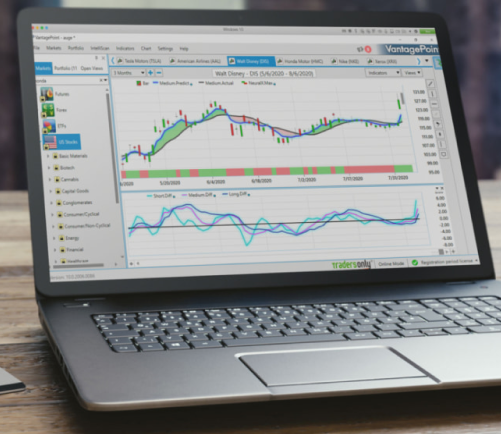
See how VantagePoint Software can predict corn prices with up to 87.4% accuracy* – Get Free Corn Forecasts now.
The Corn Market Today and Usage
Most of the U.S. corn crop has been consumed as feed by cattle, hogs, or poultry in the past, but corn usage is now split about evenly between feed for animals and food/industrial uses. The reason for the jump in food/industrial use is due to the increase in the amount of corn used in ethanol production, accounting for roughly a third of the annual U.S. corn output. About 2 billion bushels of U.S. corn are exported annually as the United States is the world’s largest corn supplier by far. Other export suppliers include Argentina and Brazil and, to a lesser extent, South Africa and Thailand.
How to Trade Corn Futures
When trading corn futures, seasonal analysis can be a powerful asset. Depending on yield prospects and the total supply of corn available, corn futures prices tend to weaken going into and during the early part of the fall harvest season. Then as corn moves into grain bins and demand picks up from larger animal numbers and exporters trying to get corn into position to ship, corn prices begin to pick up. Sometime after the first of the year, the so-called February break causes corn prices to decline again. As the planting season approaches and the market tries to buy corn acres, corn futures prices firm up until the market sees how the crop is doing. Summer often produces a number of rallies and subsequent setbacks based on weather or the latest forecast. Obviously, the typical seasonal corn price pattern is subject to change, depending on conditions, but it gives corn futures traders and hedgers a road map to follow by tracing the average behavior of the corn market in the past.
Corn Market News
The U.S. Department of Agriculture releases a number of reports related to corn supply and usage. The annual crop summary in January sums up the final production numbers from the previous year and reveals the stocks of corn in all positions as of the end of the year. The first big report for the new season is the planting intentions report released at the end of March. The planted acreage report at the end of June reveals how many corn acres were actually planted. USDA releases updated supply/usage estimates every month around the 10th of each month, but the major reports are the production projections in July and the production estimates based on actual surveys in August through November. During the growing season, USDA provides weekly reports on corn crop progress and crop conditions on both a state-by-state and national basis and reports new corn export sales and actual shipments. In addition, universities and extension services in the major production states provide a great deal of information about corn production and the economics of raising corn and other crops. So there is plenty of fundamental information for the corn futures trader to consider in making a trading decision.
Tips for Corn Traders
The major source of demand for corn for years has come from feed for cattle, hogs and poultry, meaning corn futures traders also needed to monitor animal numbers to gauge the extent of corn usage during the season. But corn has expanded from just a feed and food source to become a major fuel source in recent years as a result of government mandates to include ethanol in gasoline. Corn is the primary source of ethanol, causing a huge increase in the amount of corn consumed. That means corn futures traders now need to watch developments in the energy market very closely for clues to corn prices for several reasons. The first is the price of crude oil and its impact on the consumption of gasoline. On the one hand, high oil prices support high corn prices. On the other hand, high oil prices could lead to less demand for gasoline and the need for ethanol in a recessionary environment. The second reason is government policy for energy prices and ethanol usage and any adjustments the government might make in those policies. Until another source for ethanol comes along, consider corn as one facet of the energy industry.
Corn Trading History
Early Native American corn crops were first cultivated by the Mayans. Today, even as advanced hybrids being grown are resistant to pests and chemicals, corn remains a staple crop at the center of agriculture. One interesting note is that corn as we know it today would not exist if it weren’t for the humans who cultivated and developed it. Corn is actually a plant that does not exist naturally in the wild. It can only survive if planted and protected by humans. Corn is one of the two original commodities traded as futures contracts on a U.S. exchange. Corn futures trading began at the Chicago Board of Trade in 1852. The original corn futures or forward contract was for 3,000 bushels instead of the full-size 5,000-bushel contract traded today. Corn futures remain one of the most liquid grain futures contracts.
Trading Corn with VantagePoint Software
Since 1991 VantagePoint Software has been applying Artificial Intelligence to forecast market trends with up to 87.4% accuracy. With more than 25,000 customers in 114 different countries, VantagePoint is the leading AI trading software for Futures.