





BACKFREE CHARTSGET YOUR FREE RECENT FORECASTSMORE INFOCONTACT US

See how VantagePoint Software can predict the Cocoa Trading market with up to 86% accuracy* - Get Free Trading Predictions now.

First Name 
Last Name 
Phone 
Email 


The information you submit is confidential and will never be shared with any outside parties.


You Can Also Call Us At
1-800-732-5407

Mention the priority code cocoainfo to speak with a representative who will provide you with FREE recent VantagePoint predictions.


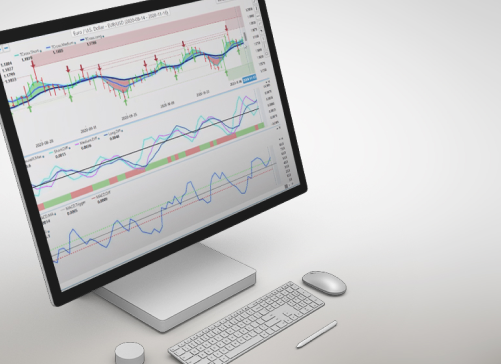
VantagePoint combines intermarket analysis and predicted technical indicators such as predicted moving averages, predicted RSI, predicted Stochastics, and many other predicted indicators that help you forecast where the markets are headed.

We're so confident in our program's accuracy, we want you to see free actual forecasts for the markets of your choice so you can see for yourself.


Cocoa Market Trading

cocoa trading secrets

Cocoa Trading Defined and Explained

Cocoa is the dried and partially fermented fatty seed of the cacao tree from which chocolate is made. In the United States, 'cocoa' often refers to cocoa powder, the dry powder made by grinding cocoa seeds and removing the cocoa butter from the dark, bitter cocoa solids. Cocoa is the world's smallest soft commodity market.

Cocoa Prices & Rates

Cocoa futures are traded on two primary exchanges:

  • Euronext.liffe in London
  • Intercontinental Exchange (ICE, formerly the New York Board of Trade) in New York.
  • The ICE cocoa futures contract is 10 metric tons (22,046 pounds).
  • The price is quoted in U.S. dollars per metric ton.
  • The minimum tick size is $1 per metric ton, equivalent to $10 per contract. Contract months are March, May, July, September and December

Cocoa Trading Fundamentals

The cocoa tree requires the hot, rainy climate of a tropical rain forest so is generally grown in areas within 20 degrees north or south of the equator. It takes the cocoa tree about five years after planting to produce cocoa beans and about ten years to achieve peak production so changes in production capacity do not come quickly. Each pod of the cocoa tree produces 20-50 beans, and it takes about 400 beans to make one pound of chocolate. Most cocoa is harvested between October and January.

See how VantagePoint Software can predict the cocoa futures market with up to 86% accuracy* - Get Free Cocoa Market Forecasts now.

Cocoa Trading Tips

Cocoa trading is an international market and subject to much intermarket influence from the value of the currencies in which the contract is quoted to the supply/demand issues for other tropical commodities. After cocoa traders develop a foundation of knowledge of the production cycles of cocoa cultivation and processing, it is important to recognize how that knowledge needs to be combined with an understanding of economic factors that affect each aspect of getting the cocoa from jungle to package. Traders need to examine the relationship between worldwide economic conditions and cocoa prices and trends.

Because it can be difficult to get accurate, reliable regional cocoa production information such as the size and quality of the crop, cocoa futures can be a difficult market to trade. Political turmoil seems to be a way of life in the main cocoa producing areas so cocoa futures traders need to be sensitive to how those issues will affect the flow of cocoa supplies to the marketplace. Demand for cocoa is usually rather stable, so the supply situation is where the cocoa futures trader needs to focus.


Cocoa Trading Information

The most prominent source of cocoa trading information is probably the International Cocoa Organization, which publishes the ICCO daily price for cocoa that is used worldwide as a historical and trend reference. A number of other international resources include reports on cocoa trends, news and information. The Netherlands Cocoa Association gives production data for much of the world market. The UN Food & Agriculture Organization provides information on the impact that cocoa production and cultivation have on local markets and indigenous people of growing regions. Exchanges where cocoa futures are traded also offer resource material.

Cocoa Trading Strategy

Seasonal lows in cocoa prices tend to occur in January when the Bahia (Brazil) main crop becomes available and the market begins to anticipate declining consumer demand after the winter season ends. Consumer demand tends to rise going into late fall and early winter as processors accumulate supplies for the peak cocoa consuming period in the winter. However, seasonal tendencies in cocoa prices are usually not as strong as for some other commodities.

Cocoa Trading Supply

The largest cocoa producing countries are Cte dIvoire (Ivory Coast), which accounts for about 40 percent of world production; Ghana and Indonesia, about 15 percent each, and Nigeria and Brazil, about 5 percent each. The annual world production of cocoa ranges between 3 and 4 million metric tons.

Two main diseases are threats to cocoa production black pod disease in Africa and witchs broom in Brazil, a fungus that caused severe cocoa production problems in the 1990s. However, the biggest threat to consistent cocoa supplies tends to be political, social and labor issues, which frequently threaten to decrease or disrupt the supply of cocoa.

Cocoa Trading Demand

The leading cocoa bean importing nations are the Netherlands, United States and Germany, which account for more than half of world cocoa imports. The United States is the leading importer of cocoa products such as cocoa butter, liquor, and powder, accounting for 12% of world imports in recent years. The Netherlands and the United States each process about 15% of the world's annual cocoa production.

The largest cocoa consumers are Europe, North America, Japan and Singapore. The United States consumes about 13 percent of the world's cocoa; Germany, 9 per cent, and France and the UK, about 7 percent each. The cocoa butter extracted from the bean is used in a number of products, ranging from cosmetic to pharmaceuticals, but its main use is in the manufacture of chocolate candy.

U.S. cocoa imports come from Latin America; Europe imports from Africa, and Asia imports from Indonesia.

Cocoa Trading History

Cocoa apparently originated in South America and was combined with spices and served as a luxury drink in the Aztec empire of Montezuma. It was introduced into Central America by the ancient Mayas, and served as a luxury drink in the Aztec empire. Cocoa was brought back to Spain in the 16th century by the Conquistadores. For nearly a century, chocolate (usually made from cocoa, sugar, cinnamon and vanilla) became an exclusive drink of the Spanish Royal Court, until it gradually achieved a wider popularity in cocoa houses of major European cities.

The Dutch were the major influence on the world cocoa market as cocoa transformed from a beverage to a solid form They invented the process of pressing cocoa to make cocoa butter and cocoa powder, thus making possible the manufacture of chocolate. The dominance of the Dutch industry in cocoa trading and these inventions laid the foundation for the Dutch cocoa grindings industry and established their presence in the world cocoa trade. Swiss candy maker Daniel Peter's invention of milk chocolate in the 1860s further increased the attraction for chocolate and the demand for cocoa beans.

In 1925 the world's first cocoa bean futures contract was introduced at the New York Cocoa Exchange, which eventually became part of the New York Board of Trade and then ICE. Options on cocoa futures began trading in 1986.

Breaking News

Softs

Jim Wyckoff, Senior Analyst, TraderPlanet.com

July sugar closed down 41 points at 15.44 cents yesterday. Prices closed near the session low on profit-taking pressure. The key "outside markets" were mixed for the sugar futures market yesterday, as the U.S. stock indexes were steady-higher, crude oil prices were steady-lower and the U.S. dollar was lower. Sugar has been trading in a sideways range at higher levels for three weeks. Bulls need to push prices above this trading range to gain fresh power. That means pushing and closing prices above the May high of 16.03 cents. Sugar bulls do still have the near-term technical advantage. Prices are still in a seven-week-old uptrend on the daily bar chart. Bulls' next upside price objective is to push and close prices above technical resistance at 16.03 cents. Bears' next downside price objective is to push and close prices below solid technical support at 14.90 cents. First resistance is seen at 15.75 cents and then at yesterday's high of 15.88 cents. First support is seen at yesterday's low of 15.40 cents and then at last week's low of 15.26 cents.

Wyckoff's Market Rating: 7.0

Read More at TraderPlanet.com »


Livestock

Jim Wyckoff, Senior Analyst, TraderPlanet.com

August live cattle closed down $0.20 at $81.62 yesterday. Prices closed nearer the session low yesterday and closed at a fresh two-month low close. The key "outside markets" were bullish for the cattle futures market yesterday, as the U.S. stock indexes were higher, crude oil prices were higher and the U.S. dollar was lower. Yet the cattle futures sold off anyway, which is a bearish clue. Cattle futures bears have the overall near-term technical advantage. Prices are in a six-week-old downtrend on the daily bar chart. Bulls' next upside price objective is to push prices above solid technical resistance at $83.90. The next downside technical objective for the bears is pushing and closing prices below solid technical support at the February low of $80.70. First resistance is seen at $82.00 and then at yesterday's high of $82.20. First support is seen at yesterday's low of $81.42 and then at last week's low of $81.22.

Wyckoff's Market Rating: 2.0

Read More at TraderPlanet.com »


Soy Complex, Grain Futures

Jim Wyckoff, Senior Analyst, TraderPlanet.com

July soybeans on Friday closed firmer and near mid-range. The key "outside markets" were bullish for soybeans Friday, as the U.S. stock indexes were firmer, crude oil prices were higher and the U.S. dollar was sharply lower. Bulls do still have the near-term technical advantage. Prices are in a three-month-old uptrend on the daily bar chart. The next upside price objective for the bean bulls is to push and close prices above solid technical resistance at $12.50 a bushel. The next downside price objective for the bears is pushing and closing prices below solid support at $11.00 a bushel. First resistance for July soybeans is seen at Friday's high of $11.93 and then at last week's high of $12.00 3/4. First support is seen at Friday's low of $11.75 1/4 and then at $11.64.

[...]

Read More at TraderPlanet.com »


Metals

Jim Wyckoff, Senior Analyst, TraderPlanet.com

August gold futures closed up $7.60 at $962.80 yesterday. Prices closed nearer the session high yesterday, hit a fresh nine-week high and scored a bullish "outside day" up on the daily bar chart yesterday. Gold bulls have the near-term technical advantage and gained fresh upside momentum yesterday. Prices are in a six-week-old uptrend on the daily bar chart. Bears' next downside price objective is closing prices below solid technical support at $920.00. Gold bulls' next upside price objective is to push and close prices above solid technical resistance at the March high of $970.00. First resistance is seen at yesterday's high of $966.70 and then at $970.00. Support is seen at $955.00 and then at $950.00.

Wyckoff's Market Rating: 7.5.

[...]

Read More at TraderPlanet.com »


Softs

Jim Wyckoff, Senior Analyst, TraderPlanet.com

July sugar closed down 20 points at 15.74 cents yesterday. Prices closed near mid-range and were pressured by profit taking. Also, the key "outside markets" were mostly bearish for the sugar market yesterday, as the U.S. stock indexes were weaker and the U.S. dollar was stronger. Sugar bulls still have the near-term technical advantage. There are still no early technical clues that a market top is close at hand. Prices are still in a seven-week-old uptrend on the daily bar chart. Bulls' next upside price objective is to push and close prices above technical resistance at 17.00 cents. Bears' next downside price objective is to push and close prices below solid technical support at 14.90 cents. First resistance is seen at yesterday's high of 15.93 cents and then at the contract high of 16.05 cents. First support is seen at yesterday's low of 15.51 cents and then at 15.25 cents.

Wyckoff's Market Rating: 7.5

[...]

Read More at TraderPlanet.com »


Livestock

Jim Wyckoff, Senior Analyst, TraderPlanet.com

August live cattle closed up $0.05 at $83.82 yesterday. Prices closed near the session high again yesterday on more tepid short covering in a bear market. Prices last Friday did produce a bullish weekly high close. The key "outside markets" were mostly bullish for the cattle market yesterday, as the U.S. stock indexes were sharply higher and crude oil prices turned higher as the session wore on.  Cattle bears still have the overall near-term technical advantage. Bulls' next upside price objective is to push prices above solid technical resistance at the May high of $84.40. The next downside technical objective for the bears is pushing and closing prices below solid technical support at the May low of $81.60. First resistance is seen at last week's high of $83.90 and then at $84.00. First support is seen at yesterday's low of $83.25 and then at $83.00.

Wyckoff's Market Rating: 3.5

July Soybeans

Jim Wyckoff, Senior Analyst, TraderPlanet.com

July soybeans on Friday closed weaker and near the session low on profit-taking pressure. Bulls still have the solid near-term technical advantage. Prices are still in an 11-week-old uptrend on the daily bar chart. The next upside price objective for the bean bulls is to push and close prices above psychological resistance at $12.00 a bushel. The next downside price objective for the bears is pushing and closing prices below solid support at the April high of $10.64 1/2 a bushel. First resistance for July soybeans is seen at $11.77 1/2 and then at last week's high of $11.89 1/2. First support is seen at Friday's low of $11.64 and then at $11.50.

$16.50 -------- the contract high
$11.45 3/4 --- 10-day moving average
$11.07 1/4 --- 20-day moving average
$10.53 1/2 --- 40-day moving average
$6.85 -------- the contract low

JULY SOYBEAN MEAL

July soybean meal on Friday closed weaker and near the session low on profit taking after hitting a fresh 8.5-month high early on. Bulls still have the solid near-term technical advantage. The next upside price objective for the bulls is to produce a close above solid technical resistance at $390.00. The next downside price objective for the bears is pushing and closing prices below solid technical support at $350.00. First resistance comes in at $380.00 and then at [...]

Read More at TraderPlanet.com »


Energies

Jim Wyckoff, Senior Analyst, TraderPlanet.com

July crude oil closed down $1.03 at $61.00 a barrel yesterday. Prices closed near mid-range yesterday and were pressured on profit taking and a lower U.S. stock market.  Bulls still have the near-term technical advantage. A four- week-old uptrend is in place on the daily bar chart. The next downside price objective for the crude oil bears is to produce a close below solid technical support at this week's low of $56.76. The next upside price objective for the bulls is producing a close above solid technical resistance at $65.00 a barrel. First resistance is seen at yesterday's high of $61.87 and then at this week's high of $62.26. First support is seen at $60.00 and then at $59.00.

Wyckoff's Market Rating: 6.5

[...]

Read More at TraderPlanet.com »


Metals

Jim Wyckoff, Senior Analyst, TraderPlanet.com

June gold futures closed up $12.80 at $939.50 yesterday. Prices closed near the session high and hit a fresh two-month high yesterday. Prices were again supported by a weaker U.S. dollar yesterday. Gold bulls have the near-term technical advantage and gained fresh upside momentum yesterday. Prices are in a four-week-old uptrend on the daily bar chart. Bears' next downside price objective is closing prices below solid technical support at this week's low of $915.20. Gold bulls' next upside price objective is to push and close prices above solid technical resistance at the March high of $970.00. First resistance is seen at yesterday's high of $941.00 and then at $945.00. Support is seen at $935.00 and then at $930.00.

Wyckoff's Market Rating: 7.0

[...]

Read More at TraderPlanet.com »


Softs

Jim Wyckoff, Senior Analyst, TraderPlanet.com

July sugar closed up 2 points at 15.63 cents yesterday. Prices closed near mid-range yesterday. Sugar bulls have the near-term technical advantage. There are still no early technical clues that a market top is close at hand. Prices are still in a five-week-old uptrend on the daily bar chart. Bulls' next upside price objective is to push and close prices above technical resistance at 17.00 cents.  Bears' next downside price objective is to push and close prices below solid technical support at last week's low of 14.90 cents. First resistance is seen at yesterday's high of 15.91 cents and then at the May high of 16.03 cents. First support is seen at 15.50 cents and then at yesterday's low of 15.37 cents.

Wyckoff's Market Rating: 7.0

[...]

Read More at TraderPlanet.com »


* VantagePoint's accuracy statistics were computed on out-of-sample price data utilizing neural networks trained on both single market and intermarket data and relate to the Neural Index which indicates whether the average of tomorrows typical price and the typical price of the day after tomorrow (both unknowns at this time) are expected to be higher or lower than the average of yesterday's typical price and the typical price of the day before yesterday. The numerical value of the Neural Index, either a one (1) or a zero (0) thereby indicates whether or not the trend direction is expected to be higher or lower for each target market over the next two days. A Neural Network accuracy statistic of 80% does not mean that eight out of ten trades will be winning trades. VantagePoint is not a trading system that gives the same specific buy and sell signals to all users. It is a technical forecasting tool that is comprised of proprietary forecasting indicators that apply neural networks to market data for the purpose of finding patterns and relationships between markets and then using this information to make futuristic forecasts. Using these indicators each trader determines his or her own entries, exits and stop placements which may vary from those of other traders due to differences among traders in trading style, objectives, risk propensity, account size and number of contracts involved, thereby producing different trading results from one trader to another. Futures and options trading involves risk, is not for every trader, and only risk capital should be used. For more detailed information, please read our Important Disclaimer, Privacy Policy, and Software License Agreement.


Copyright © 2009 Market Technologies, LLC. All Rights Reserved.

VantagePoint Intermarket Analysis Software, TraderTech, ProfitTaker,
World Leader in Market Forecasting, and Market Technologies, LLC are trademarks of
Market Technologies, LLC. Synergistic Market Analysis, Synergistic Analysis, Market Synergy,
Hurricaneomics, hurricaneomic effect and hurricaneomic analysis are service marks of Market Technologies, LLC.

Privacy Policy | Site Map

Home | Vantagepoint Software | About Market Technologies | Contact Us | Free Recent Forecasts

Lean Hogs Trading Market | Live Cattle Trading Market | Meats Trading Market | Oats Trading Market | Wheat Trading Market | Corn Trading Market
Frozen Pork Bellies Trading Market | Feeder Cattle Trading Market | Soybean Trading Market | Canola Trading Market | Soybean Oil Trading Market
Grains Trading Market | Soybean Meal Trading Market | Cocoa Trading Market | Orange Juice Trading Market | Coffee Trading Market | Sugar Trading Market
Gold Trading Market | Silver Trading Market | Copper Trading Market | Platinum Trading Market | Palladium Trading Market