


Live Cattle Futures Trading Defined and Explained
The live cattle futures contract reflects current supply and demand for feed cattle, prices of competing meats and the cost of feed grains, along with long-term cyclical patterns for meat supply and consumer preferences. The live cattle futures contract revolves around a non-storable commodity live cattle. The live cattle contract has proven to be an important tool for both cattle producers and packers to effectively manage price risk. The seasonal aspects of meat production, cyclical aspects of the cattle industry and consumer’s desire for meat products make the contract an attractive contract to trade.
Live Cattle Market Investing
Those interested in investing in live cattle should first spend a significant amount of effort gathering information. A large percentage of live cattle futures traders are involved with the beef industry and trade futures as a way to stabilize price fluctuations. The beef business is quite involved and has evolved as technology increasingly enters the cattle market. New investors should not expect to find one book to answer all their questions about beef production and the idiosyncrasies of trading. In the case of live cattle futures, traders should also be aware of the intricacies of physical delivery of cattle and the various premium or discount levels involved in delivery if they intend to trade the live cattle spot month contracts.
Live Cattle Futures Trading Prices & Rates
Live cattle futures are traded at CME Group.
- The standard trading unit for live cattle is 40,000 pounds of particular grades of cattle physically delivered to designated delivery points in the United States.
- One trading point equals $0.0001 per hundred pounds, amounting to $4.00 per point, but live cattle futures trade with a minimum price fluctuation of $0.00025, which equals $10 cwt.
- Contract months are February, April, June, August, October and December.
See how VantagePoint Software can predict the Live cattle market with up to 87.4% accuracy* – Get your free live cattle report now.
Live Cattle Trading Supply Information
Live cattle futures pick up where feeder cattle leave off. Feeder cattle are typically those younger cattle that graze pastures or wheat or are fed hay until they weigh about 600 to 800 pounds. Then they are placed in feedlots, where they receive higher concentrations of feed rations that may include corn silage; a feed grain such as corn, milo or wheat, depending on feed grain prices; soybean meal for protein, and alfalfa, clover, or some other type of hay. The live cattle eligible for delivery on the live cattle futures contract remain in the feedlot for 5-6 months and gain another 500 pounds, becoming the live cattle traded. Live cattle are usually slaughtered at 1,200-1,300 pounds, producing a dressed carcass of about 750-800 pounds. The seven major live cattle producing states are Arizona, California, Colorado, Iowa, Kansas, Nebraska, and Texas, which provide most of the statistics of interest to the live cattle futures trader.
Live Cattle Trading Tips
Reports of mad cow disease or a meat recall due to an e-coli or salmonella threat can disrupt live cattle prices, frequently involving a sharp panic sell-off initially and then recovery as the extent of the problem usually is not as great as feared at first. There can be longer-term consequences for live cattle prices if an episode is severe enough to affect consumer opinion about meat choices or if consumers decide to change their eating habits due to some diet fad. Live cattle have also been the focal point of some trade negotiations, particularly with Japan and South Korea. Although most live cattle trading issues are domestic, beef exports have grown enough to affect live cattle prices and get traders’ attention, and word that a beef shipment has been rejected for some reason or that a nation has agreed to resume beef imports can have price repercussions.
Live Cattle Trading Factors
Weather can be a very important factor in determining live cattle prices, either on a short-term basis or long-term basis. If the weather is very hot when live cattle are in the feedlot, weight gains are using less than normal because the cattle tend to eat less. If a period of hot, dry weather is prolonged and grazing range feed supplies are reduced, cattle may be pushed into feedlots early. Conversely, if grass conditions are very favorable, cattle movement into feedlots may be delayed. In either case, the weather may cause some shifts in the flow of live cattle available for slaughter. Extremely cold weather in major cattle feeding areas may also mean live cattle have to expend more energy to keep warm, reducing weight gains. Unusually muddy feedlots due to heavy snow/rain may also have the same effect on weight gains. Winter blizzards can also make shipments from feedlot to slaughterhouse difficult, causing temporary disruptions in live cattle supplies that may be significant enough to cause short-term fluctuations in live cattle futures prices as live cattle numbers bunch up.
Live Cattle Trading Information
The monthly cattle on feed report from the U.S. Department of Agriculture is the most important report for the live cattle futures trader. The cattle on feed report includes the total number of cattle and calves on feed at the beginning and end of each month, the number of feeder cattle placed into feedlots during the month to produce a carcass that will grade select or better and the number of live cattle marketed or shipped to slaughterhouses from feedlots during the month. During January and July, the report is based on a survey of all known U.S. feedlots with a capacity of 1,000 head or more. In the other months, the survey covers these feedlots in 17 major states, which account for 98 percent of the cattle on feed. Another important USDA report for live cattle futures traders is the cattle inventory report as of January 1 and July 1 each year. This report is like a census of cattle of all kinds, including beef cows, dairy cows, calves, etc. as well as live cattle on feed. The total U.S. cattle herd has been 95-100 million head in recent years with about 10-12 million cattle on feed, depending on the time of year. Live cattle auction reports, especially from key areas like Nebraska or Texas, also influence live cattle futures prices. Weekly cattle slaughter figures and monthly cold storage stocks revealing meat supplies in freezers are other reports of importance to live cattle futures traders.
Live Cattle Trading Strategy
Live cattle futures prices tend to move in cyclical patterns, both seasonally and over a long-term basis related to the live cattle biological cycle. Seasonally, live cattle prices tend to move higher from November to January and lower from February to May in line with shifts in beef supplies and consumer demand. Market signals driven by the longer-term cattle cycle provide beef cow producers an opportunity to invest more profitably in beef cow herds. Economic returns to the live cattle operator are variable and generally cyclic in nature. The live cattle industry has historically followed a ten-year pattern of expansion and contraction in cattle numbers with per head prices paid on cattle reacting in a typical supply and demand response. As live cattle profits build in reaction to a profitable period, the price per head declines in response to increased supplies. When profits to the industry become negative, the live cattle industry reduces supplies of cattle to the point where supply and demand provide a more positive return to the live cattle operator. Sometimes the shifts in prices are more beneficial for the feeder cattle provider and sometimes for the feedlot operator and sometimes neither. By the nature of the enterprise, the live cattle sector requires significant intermediate- to long-term capital investment.
Live Cattle Trading History
The live cattle trading cycle can be traced back to the Civil War with a good deal of predictability. Each 10 to 12 years, typically near the middle of a decade, beef production peaks and prices decrease as supplies increase. The lower prices result in losses to cattle producers who, in turn, reduce production. This eventually causes the live cattle cycle to complete by causing higher prices and profits typically at the end of the decade, thus encouraging more beef production and continuation of the cycle. In 1964 The Chicago Mercantile Exchange introducing the first futures contract on a non-storable commodity live cattle. Since then, the CME live cattle futures have been an important tool for both cattle producers and packers to effectively manage price risk.
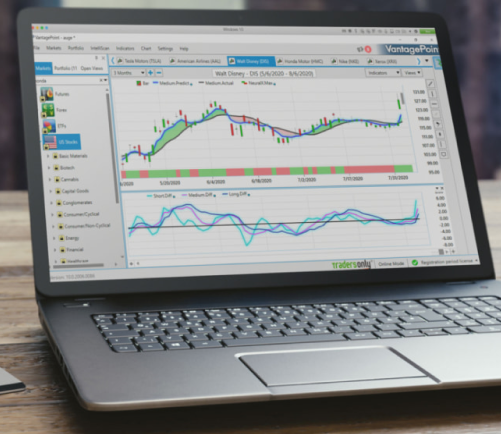
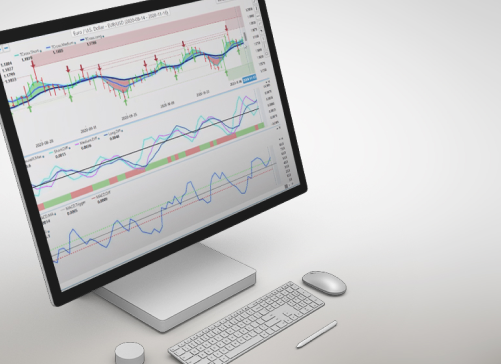
Trading Live Cattle with VantagePoint Software
Since 1991 VantagePoint Software has been applying Artificial Intelligence to forecast market trends with up to 87.4% accuracy. With more than 25,000 customers in 114 different countries, VantagePoint is the leading AI trading software for Futures.