



Grain Futures Market
Grain trading has been around since the beginning of civilization. The grains futures contracts of today are cousins of ancient trading and are as important now as they were then. In history, grain merchants and grain traders took huge risks, and the whole enterprise was speculative. Rains could affect the harvest, storms at sea could sink a ship, and there was always the risk of pirates. While today’s grain traders do not typically have to deal with pirates, they continue to need ways to help stabilize grain prices and profit from grain trading while minimizing their risk from external factors. That’s where grain trading futures and options come into play.
Grains Prices & Rates
Grain Trading has the advantage of having two different levels to trade on. These levels are in response to growers typically taking larger contracts.
- Mini-sized grain trading contracts
- Full-sized grain trading contracts
These full and mini-sized contracts allow grain traders to choose the product size that best meets their needs.
Grains Market Investing
Investing in grains provides growers with a risk management tool to protect the price of their expected purchase or sale of physical grain or oilseeds. It also allows traders to participate in the agricultural markets without holding a physical market position.
See how VantagePoint Software can predict the grains futures market with up to 87.4% accuracy* – Get Free Grains Market Predictions now
Grains Trading Strategy
The Chicago Board of trade acts as the primary intermediary for trading grains futures. A CBOT agricultural futures contract is simply an agreement to buy or sell grain or oilseeds at some later time at a price agreed upon today. Futures contracts are standardized with regards to the quantity, quality, time and place of delivery. The variable in a specific grain futures contract is price.
After gaining an understanding of the production cycles of grains and their related products, it is important to recognize how that knowledge combines with economic factors that affect each industry. When grain traders approach the industry, they rely on supply and demand factors, as well as an understanding of the grains product cycle and seasonality issues. Traders need to examine the relationship between economic conditions and grain prices.
Grains Trading Major Indicators and indices
Agricultural indicators are based on monthly contracts. Additionally, short-term serial options are listed for months not included in the standard futures month cycle.
Grains Trading Information
Global supply and demand for grains and oilseeds are hosted at the Chicago Board of Trade in the form of bids, or expressions to buy, and offers, or expressions to sell. Because most of the grain trades in the U.S., there is a strong correlation between the Chicago Board of Trade agricultural futures prices and the prices in the physical commodity markets.
Grains Trading History
The grain trade had been important as far back as when Egyptian merchants supplied Rome. The Mediterranean grain trade was so important that the nineteenth-century Italian historian Lodovico Bianchini indicated that grain was responsible for more espionage than the Inquisition. Today, the Chicago Board of Trade (CBOT), established in 1848, is a leading futures and options exchange in the grain futures market.
Common Grain Futures
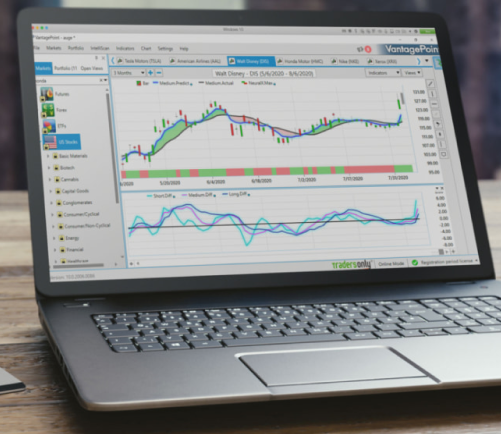
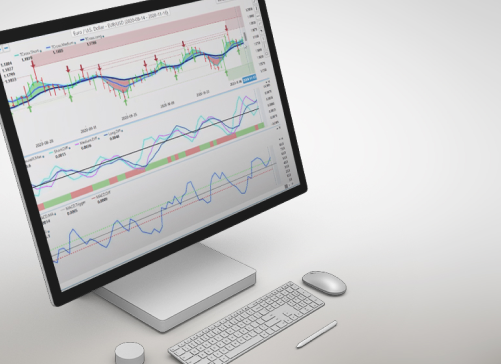
Trading Grains with VantagePoint Software
Since 1991 VantagePoint Software has been applying Artificial Intelligence to forecast market trends with up to 87.4% accuracy. With more than 25,000 customers in 114 different countries, VantagePoint is the leading AI trading software for Futures.