




BACK FREE CHARTS GET YOUR FREE RECENT FORECASTS MORE INFO CONTACT US

See how VantagePoint Software can predict the Feeder Cattle Trading market with up to 86% accuracy* - Get Free Trading Predictions now.

First Name 
Last Name 
Phone 
Email 


The information you submit is confidential and will never be shared with any outside parties.


You Can Also Call Us At
1-800-732-5407

Mention priority code "feedercattleinfo" to speak with a representative who will provide you with FREE recent VantagePoint predictions.


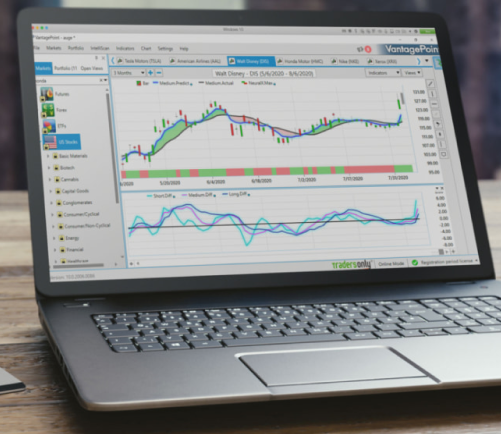
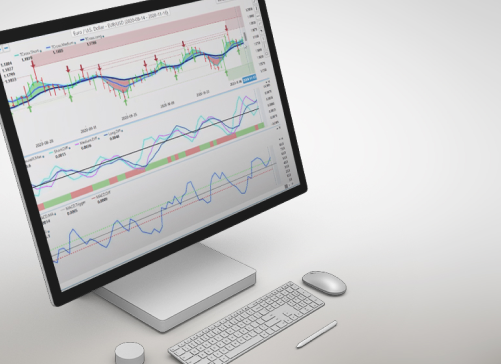
VantagePoint combines intermarket analysis and predicted technical indicators such as predicted moving averages, predicted RSI, predicted Stochastics, and many other predicted indicators that help you forecast where the markets are headed.

We're so confident in our program's accuracy, we want you to see free actual forecasts for the markets of your choice so you can see for yourself.


Feeder Cattle Trading

Feeder Cattle Trading Cow

Feeder Cattle Trading Defined and Explained

Feeder cattle are those steers or heifers that are mature enough (600-800 pounds) to be placed into a feedlot, where they can be fattened prior to slaughter. These feeder cattle may be backgrounded or green, but feedlots from individual operations to large-scale commercial operations are constantly seeking this flow of raw material to replace the live cattle that have been moved from the feedlots to slaughter.


Feeder Cattle Investing

A large portion of feeder cattle investors are involved in the industry and trade feeder cattle futures to protect themselves from price fluctuations. Individuals exploring the possibility of investing in feeder cattle should first spend a significant amount of effort gathering information about the market. The beef business is quite involved and has evolved as technology increasingly enters into the cattle pipeline. New investors should not expect to be able to find one book to answer all their questions about beef production and the nuances of trading.


Feeder Cattle Prices/Rates

Feeder cattle futures are traded at CME Group along with the live cattle and lean hog futures contracts. While live cattle futures are based on physical delivery of animals to designated points in the United States, feeder cattle futures are cash-settled, based on the CME's feeder cattle index, a seven-day weighted average of United States Department of Agriculture (USDA) prices from a 12-state Midwest region. Medium #1 and Large #1 feeder steers weighing between 700 and 849 pounds are included in the calculation, except for those identified as fancy, thin, fleshy, gaunt, or full.

A feeder cattle futures contract is 50,000 pounds. One point in the feeder cattle trading arena $0.0001 per pound or $5.00, but the minimum tick size is $0.00025 per pound or $12.50. Contract months are January, March, April, May, August, September, October and November.

Feeder Cattle Fundamentals

Breeding in the cattle herd typically takes place in late spring or early summer, producing a calf crop in the following spring after a 10-month gestation period. It will take more than a year for a calf to move through the weaning and early growth period to reach the feeder cattle stage (650-850 pounds). Depending on the backgrounding process used, most numbers of feeder cattle typically are ready to move into the feedlot in late summer or fall at a time when larger feed grain supplies are becoming available from harvest and prices are at seasonal lows.

Feeder Cattle News

Most states have weekly feeder cattle auction summaries that can be useful, especially if from key states where feeder cattle are a major market. Many feeder cattle futures traders and others in the industry use auction data to evaluate pricing and trends for the feeder cattle contract.

Basically, any USDA report that deals with live cattle or meat markets can also be helpful to feeder cattle futures trader. Of particular importance to feeder cattle futures traders is the published feeder cattle index, which is a seven-day weighted average of USDA prices from a 12-state region: Colorado, Iowa, Kansas, Missouri, Montana, Nebraska, New Mexico, North Dakota, Oklahoma, South Dakota, Texas and Wyoming. The index assigns the same importance to the index value for every pound of feeder steer sold during the previous seven calendar days, regardless of when or where it was sold. The prices encompass the physical auctions, video and Internet sales as well as direct trades. USDA feeder cattle index calculations can be obtained by accessing the USDA website.

Feeder Cattle Trading Information

The United States is the largest beef producer with about a quarter of the world's total cattle production. Brazil is a distant second. One item to note is that while U.S. beef production has been relatively flat for some time, other nations such as Brazil and China have increased beef production.

Feeder Cattle Trading History

Feeder cattle futures were added to CME livestock products in 1971. Started as a physical delivery market like most commodities at that time, feeder cattle futures moved to the cash-settlement concept several years ago when the CME Feeder Cattle Index was renamed and refined with the addition of Medium #1 and Medium and Large #1 feeder steers weighing between 800 and 849 pounds to the calculation.


Feeder Cattle Trading Tips

Understanding trends in this industry is the biggest determinant of success for feeder cattle futures traders. Due to the possibility of hot, dry weather in a substantial portion of beef cow country, cattle producers have moved cattle to feedlots at a younger age and lighter weights. This has influenced the methods of feeder cattle trading and the size of positions taken.

The feeder cattle trading arena may be best suited for those with a working knowledge of the beef industry or those involved in managing their own feeder cattle stock. Trading feeder cattle futures is safe but, like other futures contracts, they are a leveraged investment and may entail more than average risk for those not familiar with the cattle business.

Breaking News

Softs

Jim Wyckoff, Senior Analyst, TraderPlanet.com

July sugar closed down 41 points at 15.44 cents yesterday. Prices closed near the session low on profit-taking pressure. The key "outside markets" were mixed for the sugar futures market yesterday, as the U.S. stock indexes were steady-higher, crude oil prices were steady-lower and the U.S. dollar was lower. Sugar has been trading in a sideways range at higher levels for three weeks. Bulls need to push prices above this trading range to gain fresh power. That means pushing and closing prices above the May high of 16.03 cents. Sugar bulls do still have the near-term technical advantage. Prices are still in a seven-week-old uptrend on the daily bar chart. Bulls' next upside price objective is to push and close prices above technical resistance at 16.03 cents. Bears' next downside price objective is to push and close prices below solid technical support at 14.90 cents. First resistance is seen at 15.75 cents and then at yesterday's high of 15.88 cents. First support is seen at yesterday's low of 15.40 cents and then at last week's low of 15.26 cents.

Wyckoff's Market Rating: 7.0

Read More at TraderPlanet.com »


Livestock

Jim Wyckoff, Senior Analyst, TraderPlanet.com

August live cattle closed down $0.20 at $81.62 yesterday. Prices closed nearer the session low yesterday and closed at a fresh two-month low close. The key "outside markets" were bullish for the cattle futures market yesterday, as the U.S. stock indexes were higher, crude oil prices were higher and the U.S. dollar was lower. Yet the cattle futures sold off anyway, which is a bearish clue. Cattle futures bears have the overall near-term technical advantage. Prices are in a six-week-old downtrend on the daily bar chart. Bulls' next upside price objective is to push prices above solid technical resistance at $83.90. The next downside technical objective for the bears is pushing and closing prices below solid technical support at the February low of $80.70. First resistance is seen at $82.00 and then at yesterday's high of $82.20. First support is seen at yesterday's low of $81.42 and then at last week's low of $81.22.

Wyckoff's Market Rating: 2.0

Read More at TraderPlanet.com »


Soy Complex, Grain Futures

Jim Wyckoff, Senior Analyst, TraderPlanet.com

July soybeans on Friday closed firmer and near mid-range. The key "outside markets" were bullish for soybeans Friday, as the U.S. stock indexes were firmer, crude oil prices were higher and the U.S. dollar was sharply lower. Bulls do still have the near-term technical advantage. Prices are in a three-month-old uptrend on the daily bar chart. The next upside price objective for the bean bulls is to push and close prices above solid technical resistance at $12.50 a bushel. The next downside price objective for the bears is pushing and closing prices below solid support at $11.00 a bushel. First resistance for July soybeans is seen at Friday's high of $11.93 and then at last week's high of $12.00 3/4. First support is seen at Friday's low of $11.75 1/4 and then at $11.64.

[...]

Read More at TraderPlanet.com »


Metals

Jim Wyckoff, Senior Analyst, TraderPlanet.com

August gold futures closed up $7.60 at $962.80 yesterday. Prices closed nearer the session high yesterday, hit a fresh nine-week high and scored a bullish "outside day" up on the daily bar chart yesterday. Gold bulls have the near-term technical advantage and gained fresh upside momentum yesterday. Prices are in a six-week-old uptrend on the daily bar chart. Bears' next downside price objective is closing prices below solid technical support at $920.00. Gold bulls' next upside price objective is to push and close prices above solid technical resistance at the March high of $970.00. First resistance is seen at yesterday's high of $966.70 and then at $970.00. Support is seen at $955.00 and then at $950.00.

Wyckoff's Market Rating: 7.5.

[...]

Read More at TraderPlanet.com »


Softs

Jim Wyckoff, Senior Analyst, TraderPlanet.com

July sugar closed down 20 points at 15.74 cents yesterday. Prices closed near mid-range and were pressured by profit taking. Also, the key "outside markets" were mostly bearish for the sugar market yesterday, as the U.S. stock indexes were weaker and the U.S. dollar was stronger. Sugar bulls still have the near-term technical advantage. There are still no early technical clues that a market top is close at hand. Prices are still in a seven-week-old uptrend on the daily bar chart. Bulls' next upside price objective is to push and close prices above technical resistance at 17.00 cents. Bears' next downside price objective is to push and close prices below solid technical support at 14.90 cents. First resistance is seen at yesterday's high of 15.93 cents and then at the contract high of 16.05 cents. First support is seen at yesterday's low of 15.51 cents and then at 15.25 cents.

Wyckoff's Market Rating: 7.5

[...]

Read More at TraderPlanet.com »


Livestock

Jim Wyckoff, Senior Analyst, TraderPlanet.com

August live cattle closed up $0.05 at $83.82 yesterday. Prices closed near the session high again yesterday on more tepid short covering in a bear market. Prices last Friday did produce a bullish weekly high close. The key "outside markets" were mostly bullish for the cattle market yesterday, as the U.S. stock indexes were sharply higher and crude oil prices turned higher as the session wore on.  Cattle bears still have the overall near-term technical advantage. Bulls' next upside price objective is to push prices above solid technical resistance at the May high of $84.40. The next downside technical objective for the bears is pushing and closing prices below solid technical support at the May low of $81.60. First resistance is seen at last week's high of $83.90 and then at $84.00. First support is seen at yesterday's low of $83.25 and then at $83.00.

Wyckoff's Market Rating: 3.5

July Soybeans

Jim Wyckoff, Senior Analyst, TraderPlanet.com

July soybeans on Friday closed weaker and near the session low on profit-taking pressure. Bulls still have the solid near-term technical advantage. Prices are still in an 11-week-old uptrend on the daily bar chart. The next upside price objective for the bean bulls is to push and close prices above psychological resistance at $12.00 a bushel. The next downside price objective for the bears is pushing and closing prices below solid support at the April high of $10.64 1/2 a bushel. First resistance for July soybeans is seen at $11.77 1/2 and then at last week's high of $11.89 1/2. First support is seen at Friday's low of $11.64 and then at $11.50.

$16.50 -------- the contract high
$11.45 3/4 --- 10-day moving average
$11.07 1/4 --- 20-day moving average
$10.53 1/2 --- 40-day moving average
$6.85 -------- the contract low

JULY SOYBEAN MEAL

July soybean meal on Friday closed weaker and near the session low on profit taking after hitting a fresh 8.5-month high early on. Bulls still have the solid near-term technical advantage. The next upside price objective for the bulls is to produce a close above solid technical resistance at $390.00. The next downside price objective for the bears is pushing and closing prices below solid technical support at $350.00. First resistance comes in at $380.00 and then at [...]

Read More at TraderPlanet.com »


Energies

Jim Wyckoff, Senior Analyst, TraderPlanet.com

July crude oil closed down $1.03 at $61.00 a barrel yesterday. Prices closed near mid-range yesterday and were pressured on profit taking and a lower U.S. stock market.  Bulls still have the near-term technical advantage. A four- week-old uptrend is in place on the daily bar chart. The next downside price objective for the crude oil bears is to produce a close below solid technical support at this week's low of $56.76. The next upside price objective for the bulls is producing a close above solid technical resistance at $65.00 a barrel. First resistance is seen at yesterday's high of $61.87 and then at this week's high of $62.26. First support is seen at $60.00 and then at $59.00.

Wyckoff's Market Rating: 6.5

[...]

Read More at TraderPlanet.com »


Metals

Jim Wyckoff, Senior Analyst, TraderPlanet.com

June gold futures closed up $12.80 at $939.50 yesterday. Prices closed near the session high and hit a fresh two-month high yesterday. Prices were again supported by a weaker U.S. dollar yesterday. Gold bulls have the near-term technical advantage and gained fresh upside momentum yesterday. Prices are in a four-week-old uptrend on the daily bar chart. Bears' next downside price objective is closing prices below solid technical support at this week's low of $915.20. Gold bulls' next upside price objective is to push and close prices above solid technical resistance at the March high of $970.00. First resistance is seen at yesterday's high of $941.00 and then at $945.00. Support is seen at $935.00 and then at $930.00.

Wyckoff's Market Rating: 7.0

[...]

Read More at TraderPlanet.com »


Softs

Jim Wyckoff, Senior Analyst, TraderPlanet.com

July sugar closed up 2 points at 15.63 cents yesterday. Prices closed near mid-range yesterday. Sugar bulls have the near-term technical advantage. There are still no early technical clues that a market top is close at hand. Prices are still in a five-week-old uptrend on the daily bar chart. Bulls' next upside price objective is to push and close prices above technical resistance at 17.00 cents.  Bears' next downside price objective is to push and close prices below solid technical support at last week's low of 14.90 cents. First resistance is seen at yesterday's high of 15.91 cents and then at the May high of 16.03 cents. First support is seen at 15.50 cents and then at yesterday's low of 15.37 cents.

Wyckoff's Market Rating: 7.0

[...]

Read More at TraderPlanet.com »


* VantagePoint's accuracy statistics were computed on out-of-sample price data utilizing neural networks trained on both single market and intermarket data and relate to the Neural Index which indicates whether the average of tomorrows typical price and the typical price of the day after tomorrow (both unknowns at this time) are expected to be higher or lower than the average of yesterday's typical price and the typical price of the day before yesterday. The numerical value of the Neural Index, either a one (1) or a zero (0) thereby indicates whether or not the trend direction is expected to be higher or lower for each target market over the next two days. A Neural Network accuracy statistic of 80% does not mean that eight out of ten trades will be winning trades. VantagePoint is not a trading system that gives the same specific buy and sell signals to all users. It is a technical forecasting tool that is comprised of proprietary forecasting indicators that apply neural networks to market data for the purpose of finding patterns and relationships between markets and then using this information to make futuristic forecasts. Using these indicators each trader determines his or her own entries, exits and stop placements which may vary from those of other traders due to differences among traders in trading style, objectives, risk propensity, account size and number of contracts involved, thereby producing different trading results from one trader to another. Futures and options trading involves risk, is not for every trader, and only risk capital should be used. For more detailed information, please read our Important Disclaimer, Privacy Policy, and Software License Agreement.


Copyright © 2009 Market Technologies, LLC. All Rights Reserved.

VantagePoint Intermarket Analysis Software, TraderTech, ProfitTaker,
World Leader in Market Forecasting, and Market Technologies, LLC are trademarks of
Market Technologies, LLC. Synergistic Market Analysis, Synergistic Analysis, Market Synergy,
Hurricaneomics, hurricaneomic effect and hurricaneomic analysis are service marks of Market Technologies, LLC.

Privacy Policy | Site Map

Home | Vantagepoint Software | About Market Technologies | Contact Us | Free Recent Forecasts

Lean Hogs Trading Market | Live Cattle Trading Market | Meats Trading Market | Oats Trading Market | Wheat Trading Market | Corn Trading Market
Frozen Pork Bellies Trading Market | Feeder Cattle Trading Market | Soybean Trading Market | Canola Trading Market | Soybean Oil Trading Market
Grains Trading Market | Soybean Meal Trading Market | Cocoa Trading Market | Orange Juice Trading Market | Coffee Trading Market | Sugar Trading Market
Gold Trading Market | Silver Trading Market | Copper Trading Market | Platinum Trading Market | Palladium Trading Market